Category: learning

  • AI Can Help Us Be More Human: The Director’s Job

    AI Can Help Us Be More Human: The Director’s Job

    AI has become the loudest voice in every room right now. Especially in learning and development. The headlines promise revolution. The vendors promise automation. And many of us quietly wonder what happens to our own value when machines can generate courses, videos, and entire learning modules faster than we can write a learning objective.

    But here’s what most people miss: AI can actually help us be more human. Not through optimism. Through clarity. Through direction. If we’re willing to step into the role that matters most.

    When Speed Becomes the Problem

    We’ve all seen what happens when AI runs the show without guidance

    .A module that technically checks every compliance box: covers the content, includes a quiz, and delivers on time. And nobody remembers it. A video that’s technically correct but leaves no one changed. A script that sounds like it was written by a robot (because it was).

    This isn’t because AI is bad at speed. It’s the opposite. AI is fast. But fast doesn’t mean purposeful. Without someone steering the story—someone who understands what the learner actually needs to feel or do differently—you’re just automating the wrong things faster.

    We’ve lived through this cycle before. Every new technology promises transformation. Television. Online learning. Mobile. But transformation doesn’t happen because the tool is faster. It happens because someone’s directing it.

    The Real Job: Director, Not Technician

    Think of your work this way: You’ve got all the tools. The camera. The lighting. An entire crew of AI capabilities at your fingertips.

    They’re fast. Capable. Tireless.

    But without a director—without someone making decisions about what matters, what gets cut, what gets emphasized—nothing meaningful happens.

    That’s your role now. Not to do everything yourself. But to direct the process. To bring intent and perspective to the tools.

    I realized this while leading a session at TechSmith’s Training Magazine event. I watched L&D professionals agree as I talked about this—not because the idea was new, but because they already knew they were directors. They just hadn’t named it yet. Every day, they cast the right tools, make judgment calls AI can’t make, and shape the emotional arc of learning. The difference is now they’re doing it consciously. With AI as the crew instead of the other way around.

    How Directors Actually Work

    In film, there’s a proven rhythm: pre-production, production, post-production.

    Pre-Production: Get clarity first. 

    What’s the real story you’re trying to tell? Who’s in the room, and what should they understand differently when they leave? What should they feel? Not all learning needs the same tone. A module about safety protocols needs urgency and respect. A module about new software needs confidence and permission to mess up. The director knows this distinction before the camera rolls.

    Production: This is where AI does its best work. 

    You write prompts. AI generates drafts. You read them and think: That’s too formal. Give me something more conversational. Or: I need three versions of this opening—make me laugh, make me scared, make me curious. Then I’ll pick. You’re directing the scene. Not just letting the camera roll and hoping something good happens.

    Post-Production: Refine. Edit. Add what only you can add. 

    AI generates a script. You read it and hear where it needs your voice. Where it needs humor someone actually wrote. Where it needs a story that resonates because you lived it or witnessed it. You’re not rewriting everything. You’re adding the human judgment that turns “technically correct” into “actually moving.”

    When you follow that rhythm, you stop treating AI like a vending machine. You start treating it like what it actually is: a talented, tireless crew waiting for direction.

    What Only You Can Do

    There’s a line I think about often, from Philippa Hardman: “AI doesn’t replace us. It replaces the parts of us that weren’t very human to begin with.”

    That’s the opportunity.

    Let AI handle the mechanical work. The formatting. The versioning. The 47 variations of the same slide so you can pick the best one. You keep what makes learning actually work: the judgment call about what matters, the empathy that makes a difficult topic feel approachable, the curiosity that asks why before it builds the solution.

    That’s how AI helps us be more human.

    Here’s what this looks like in practice:

    • AI drafts your script. You rewrite it so it sounds like someone who actually understands the problem—because you do.
    • AI generates design options. You choose the one that matches the tone of what you’re teaching.
    • AI creates variations. You pick the version that will actually land with your specific audience.

    You’re not doing more work. You’re spending your time on decisions that matter. The parts that only a human director can make.

    What Learners Actually Need

    Here’s the thing: Your organization doesn’t need more content. It never did.

    It needs better direction. Better judgment about what’s worth their time. Better stories. Better clarity about why this matters.

    AI won’t close the gap between learning and performance. People will. But only if you direct it with clarity, intention, and something close to heart—the thing that says “I made this for you because I understand what you’re up against.”

    That’s what today’s learners notice. Not more videos. They notice when something was made with them in mind. When the example isn’t generic. When the tone matches how they actually talk. When someone thought through not just what to teach but how to teach it so it sticks.

    And that’s not something a machine can do alone.

    Your Next Move

    If you’re reading this, you’re already thinking like a director. You’re seeing AI as a crew, not a threat. You’re asking the right questions: 

    What’s the story? Who needs to hear it? What’s the point?

    So here’s what I’d suggest for this week: Take one piece of learning you’re working on. One module. One email. One video script. And ask yourself: Where am I letting speed win? Where am I not directing? Find one moment where you can slow down, make a choice, and add something that only you can add.

    Because when you do, something shifts. The technology doesn’t just make your work faster. It makes it matter more.


    Lately I’ve been diving deeper into this topic — including a recent Training Industry webinar: “Avoiding the “Bad Training, Faster” Trap in the Age of AI“

  • Friday Finds – Better endings, smarter work, and your new AI research sidekick

    Friday Finds – How to end better, learn smarter, and research faster

    “There is only one success—to be able to spend your life in your own way.”

    — Christopher Morley

    I’ve always liked that saying: you either win or you learn.

    Lately, I’ve been doing a lot of learning. The kind that comes with friction — the kind that stretches you in ways you didn’t ask for. It’s not fun in the moment, but I keep reminding myself that discomfort often means growth is underway. I’m not exactly energized by the hard stuff, but I am encouraged by the thought that it’s leading somewhere good.

    Thanks for reading!


    👆 Last Week’s Most Clicked

    What Did Google Do With LearnLM?


    🎶 What I’m Listening To

    Today is for chill electronic stuff — think soft beats, smooth synths, and vocals that sound like they’re floating on a cloud made of coffee steam.


    Plan your next course faster

    An outline is where a good course begins and where your project might fall apart if you skip it. iSpring helps you make sure your structure is solid from the start.

    This editable template helps you organize course objectives, plan content, and stay in sync with SMEs from the start. It also includes a filled-in example, so you know exactly how to use it.

    Get the free template →


    News & Notes

    When “You’re Done” Is Actually the Problem

    We love to celebrate completion: the quiz checked, the certificate earned, the course marked as “finished.” But here’s the kicker — that’s often the moment learning dies. Ending training with a passive “Congrats, you’re done” is a bridge to nowhere. Real change happens after completion — when learners connect what they’ve learned to what they do next. Marketers use calls to action to nudge people onward. L&D often doesn’t.The difference between weak and strong endings? One gives instructions like “use technique X this week and report results,” rather than just “you’re done.” Four characteristics of effective CTAs: action verbs, specificity, time-bound urgency, and accountability built in.

    Takeaway: ​Don’t let your training die at the finish line — end with clear, actionable steps that push people into doing.

    Fix your training’s final moment →

    When Work Becomes Learning

    McKinsey’s latest piece on the “Future of the CLO” makes one thing clear: the line between work and learning is disappearing. And that’s good news for anyone designing learning experiences. The next era of workplace learning isn’t about courses or catalogs—it’s about engineering development into the flow of work itself. Here’s what that looks like:

    • Design work that teaches. AI, feedback tools, and embedded coaching can turn everyday tasks into real-time learning moments.
    • Collaborate across silos. L&D can’t live in its own lane anymore—partner with ops, HR, and tech to shape how capability is built.
    • Rethink your metrics. Completions are vanity numbers. The real win is visible behavior change—skills applied, problems solved, performance improved.
    • Build for business impact. Link what you create directly to agility, innovation, or customer outcomes.

    Takeaway: ​The best L&D pros won’t just deliver training—they’ll design the workplace as the classroom.

    Explore the future of workplace learning →

    Deep Research: The AI upgrade you didn’t know you needed

    Jeremy Caplan walks you through how Deep Research—the new AI feature in ChatGPT, Gemini, and Perplexity—is redefining what “research” means in the AI era. Instead of isolated Q&A, Deep Research chases down dozens or hundreds of sources, weaves them together, and delivers a polished, synthesis-rich report. Caplan offers 9 real-world ways to use it (e.g. deep dives, comparative analysis, niche topics), plus tips on how to frame your queries to get gold. He also compares the major players: ChatGPT’s version gives you more depth (30–50 page reports), but take your time—it might take minutes per query. One caveat: hallucinations and weak citations can slip in, especially in data-scarce areas—so don’t treat the AI as a final authority.

    Takeaway: ​Deep Research turns AI from an answer-factory into an investigation partner. Use it to offload serious uphill research work—but always bring your sense-checking hat.

    Discover What “Deep Research” Can Do →

    Are you facing compliance training adversity?

    Get out of the frustrating cycle of compliance training. Discover ways to manage risk and liability while ensuring the adoption of critical skills. Explore how next-gen AI helps you transform compliance training from a tedious obligation into an engaging, effective, and even enjoyable experience. 

    Date: Wednesday, October 29, 2025 
    Time: 10 AM PT | 12 PM CT | 1 PM ET

    Register Today →


     Tech Tools & Tips

    If tools are your jam, check out my Work Smarter newsletter.Strawberry Browser

    A web browser that brings intuitive AI automation to your existing workflows

    Check it out→

    Resoly.ai

    An AI-enhanced bookmark organizer and all-in-one tool for managing web resources.

    Check it out →

    Podcast of the Week

    This is the conversation that caught my ear this week. Check out previous episodes in the Friday Finds podcast playlist.

    12 Habits of Successful L&D Professionals

    What makes a successful L&D professional? From having meaningful conversations to following intuition and focusing on real business impact, Stephanie Lewington, Talent Development Lead at Perkbox, shares her daily habits and mindset shifts on the L&D Disrupt podcast, and there’s a lot we can learn from her approach.

    Listen now →

    .

    ​

    Where’s Mike?

    If you or your event needs a speaker or workshop that is highly interactive and super practical, we should talk.


    Think Like a Marketer, Train Like an L&D Pro This book is for everyone tired of watching marketers effortlessly grab attention while we’re over here begging people to care about compliance training.

    Get Your Copy Today

  • Stop Overloading Your Learners’ Brains: A Practical Guide to Minimizing Extraneous Cognitive Load

    Stop Overloading Your Learners’ Brains: A Practical Guide to Minimizing Extraneous Cognitive Load

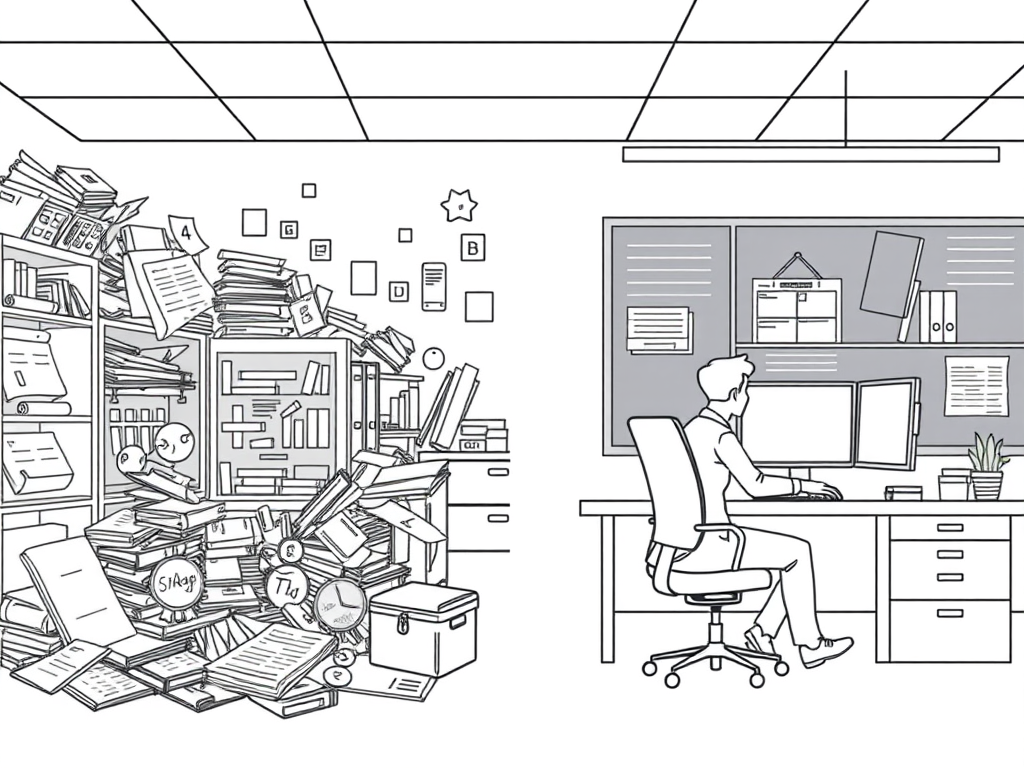
    Marcus spent six weeks building the perfect compliance training for his company’s 2,000 employees. Interactive scenarios. Animated compliance mascot. Video testimonials from leadership. Gamified quizzes with leaderboards and achievement badges. Custom dashboard with real-time progress tracking. Background music to “enhance focus.” (spoiler: that usually backfires unless it serves a clear instructional or motivational goal).

    Completion rates hit 94%. Employees loved the polished interface.

    Then came the audit. Staff couldn’t recall basic compliance procedures they’d supposedly mastered three weeks earlier. When Marcus dug deeper, he discovered employees remembered vivid details about the training platform—the point system, the mascot’s catchphrases, where buttons were located—but struggled to explain actual compliance protocols.

    Marcus’s mistake has a name: extraneous cognitive load. And if you’re designing any kind of learning—whether it’s onboarding modules, software training, leadership development, or safety certification—you’re probably creating it right now without realizing it.

    Your Brain Runs on Limited Fuel

    Working memory (WM) is your brain’s short-term workspace for holding and manipulating a few meaningful chunks while you reason, test ideas, and make connections. The critical part: durable learning happens when information is encoded into long-term memory (LTM). WM supports that hand-off.

    Working memory has serious limits. A typical range is about 3–5 meaningful chunks for many tasks—not a fixed cap—and effective chunking/expertise can expand what fits. Novices see many separate bits; experts compress them into larger, meaningful units.

    When too much competes for attention, items interfere and decay. Your executive system triages; some information simply doesn’t make it through.

    When you’re learning something genuinely complex—new CRM software, risk assessment frameworks, how to conduct performance reviews—you need every bit of that precious working memory focused on the actual content. The intellectual heavy lifting. That’s called intrinsic cognitive load, and it’s unavoidable. Difficult subjects require mental effort.

    Extraneous load is different. It’s all the wasted effort your design choices accidentally impose. The mental energy burned figuring out confusing navigation. Searching for information scattered across different screens. Decoding unclear instructions. Processing decorative elements that add nothing to understanding. That wasted effort could have been spent learning. (And importantly, “extraneous” depends on your goal—more on that below.)

    Since its development by educational psychologist John Sweller in 1988, Cognitive Load Theory has helped us understand how instructional design either facilitates or hinders learning by managing these different types of load.

    A Note on the Science

    Cognitive Load Theory is an information-processing account of how limited working memory constrains learning. Neuroimaging studies can complement this picture, but CLT itself isn’t about specific brain regions; it’s concerned with how information is processed and constrained. The key takeaway is practical: designs that respect attention and integration limits improve learning.

    The Paradigm Just Shifted

    For decades, Cognitive Load Theory gave us clear marching orders: minimize extraneous load, manage intrinsic load, optimize germane load (the good effort that builds learning). Simple formula.

    Then researchers Slava Kalyuga and Jan Plass published recent work that challenges us to think more carefully about goals. Their 2025 book “Rethinking Cognitive Load Theory” argues we’ve been thinking about this too narrowly.

    The old approach assumed every learning task has one goal: building knowledge schemas in long-term memory. But that’s not how modern learning environments work. Sometimes your goal is knowledge acquisition, sure. But other times you’re designing for motivation. For engagement. For emotional connection. For building confidence before competence.

    A sound effect in a traditional lecture? Pure distraction. Extraneous load.

    That same sound effect in an educational game signaling achievement? It’s not extraneous anymore. It’s serving your motivational goals, which are part of your instructional strategy.

    The upshot (as NYU’s Steinhardt School notes): what counts as “extraneous” depends on your goals. The revised framing emphasizes two sources (intrinsic and extraneous), but with broadened definitions—judging elements by how they serve specific instructional, motivational, and affective goals.

    This broadens how we design and how we justify design choices.

    The New Rules for Cutting Mental Clutter

    The fundamental principles still hold. You still need to be ruthless about removing obstacles between learners and understanding. But now you need to ask better questions first.

    Question One: What Are You Really Teaching For?

    Before you worry about cognitive load, clarify your actual goals. All of them.

    Are you building knowledge? Teaching a skill? Changing attitudes? Building confidence? Creating curiosity? The answer shapes everything else.

    A high-stakes negotiation simulation might include stressful time pressure and emotional conflict. Traditional CLT might flag this as extraneous if the sole goal were knowledge of tactics. But if your goal includes “perform under pressure,” that stress is now instructional, not extraneous.

    Know your goals. All of them. Then design accordingly.

    Question Two: Does This Element Serve Those Goals?

    Every single element in your instructional design should answer “yes” to this question. If it doesn’t actively support your learning objectives, it’s stealing cognitive resources.

    Consider Jennifer, designing onboarding training for a new project management tool. She’s choosing between two approaches:

    Option A: Features explained with clear screenshots and step-by-step text instructions showing how to create a project timeline.

    Option B: Same explanations, but with animated cursor movements showing every click, zooming callouts that highlight different interface elements, background music intended to “reduce onboarding stress,” and stock photos of diverse teams high-fiving in modern offices.

    Which serves the learning goal better?

    Option A wins. Every element in Option B that’s not present in Option A imposes extraneous load. Unnecessary animations demand attention without adding meaning; background music—especially with lyrics—typically splits attention and violates the coherence principle unless it serves a specific, defensible goal. The stock photos activate prior knowledge about…what, exactly? Nothing relevant to project management.

    Apply this filter ruthlessly: serve the goal or get cut.

    The Split-Attention Killer

    One of the most insidious sources of extraneous load happens when you force learners to mentally integrate information that you should have integrated for them.

    Picture a software training video where the instructor explains features verbally while the procedure steps are listed in a sidebar on the opposite side of the screen. Learners have to: listen to the narration, scan to find the written step, mentally connect them, look back at the demonstration, find the next step, and repeat.

    Exhausting. And completely unnecessary.

    Research on the split-attention effect shows this is one of the most powerful findings in cognitive load theory—especially for novices and for content with high element-interactivity. As people develop expertise, they become better at integrating spatially-separated information. But for novices, the fix is elegant: put labels directly on screenshots. Place written steps right next to what they describe. Synchronize spoken explanations with visual demonstrations. Integrate related information in space and time. (With greater expertise, dense integrations can become redundant, so match treatment to the audience.)

    This simple change can dramatically reduce learning time while improving comprehension. Not because the content changed. Because you stopped making learners do integration work that design could have handled.

    The Power of Strategic Simplicity

    Complexity should live in your content, not your interface.

    You’re teaching advanced data analytics. The material is legitimately hard—that’s unavoidable intrinsic load. But nothing about analytics requires a complicated navigation system, ambiguous menu labels, or instructions written in corporate jargon.

    Test every element with this question:

    “If I removed this, would the learning objective still be achievable?”

    Can’t decide whether to include that decorative header graphic showing abstract data visualizations? Remove it. The SQL query tutorial still works without generic businesspeople pointing at holographic charts.

    Uncertain whether that three-paragraph introduction adds value? Cut to one paragraph. Or two sentences.

    When you’re simplifying, target these common culprits:

    Overcomplicated instructions. “In order to facilitate the process of developing comprehension regarding the fundamental principles of the system architecture…” becomes “Let’s start with how the system works.”

    Redundant explanations. Don’t narrate text that’s already on screen word-for-word. Viewers can read. Instead, use narration to explain or extend what visuals show, leveraging dual-channel processing (letting different parts of your brain handle spoken words and images simultaneously).

    Navigation mysteries. Learners shouldn’t need a tutorial to navigate your tutorial. Every button’s purpose should be immediately obvious.

    Jargon without justification. Technical terms that serve the content? Keep them. But define them clearly. Jargon that just makes you sound smart? Kill it.

    Worked Examples Save Lives (and Working Memory)

    One of the most reliable ways to help novices is to use worked examples before asking for independent problem solving.

    The evidence is overwhelming. The worked-example effect is one of the best-known and most widely studied cognitive load effects. When learning new procedures—from Excel formulas to customer service protocols to coding—worked examples dramatically reduce the time to competence compared to immediate problem-solving practice for beginners.

    Why the massive difference?

    When you throw novices straight into problem-solving, they thrash around using weak strategies. Random trial-and-error. Guess-and-check. They burn enormous cognitive resources on unproductive search while learning very little about the underlying structure.

    A worked example shows the solution path step-by-step with explanations for each move. Learners can study the expert strategy without wasting working memory on dead-end searches.

    The progression works like this:

    Stage 1: Fully worked examples with detailed explanations. “First, we identify the customer’s primary concern (product defect), then we acknowledge their frustration…”

    Stage 2: Partially worked examples where learners complete the final steps. “We’ve acknowledged the concern and apologized. Now you determine the appropriate resolution.”

    Stage 3: Problem-solving practice without scaffolding. “Handle this customer complaint.”

    This gradual release—often called fading—matches the support to developing expertise. High support for novices, progressively less as competence builds. However, timing matters enormously: fade too slowly and learners become dependent; fade too quickly and they’re overwhelmed. Also, advanced learners often benefit from more challenge, not less (the expertise-reversal effect). Once someone has moved beyond novice status, they may actually learn better by struggling with problems—this strategy is most effective for genuine beginners.

    Consistency Is Cognitive Kindness

    Every minute learners spend figuring out your interface is a minute not spent learning your content.

    Establish patterns and stick to them. Same layout on every screen. Same button positions. Same color meanings. Same terminology for the same concepts.

    When navigation becomes predictable, it becomes automatic. Automatic processes require almost no working memory. That’s cognitive capacity freed up for learning.

    Inconsistency forces conscious attention. Different layouts on different screens mean learners can’t build useful mental models. They stay in effortful processing mode, burning resources on the wrong things.

    This principle extends to language. If you call something “performance review” in module one, don’t call it “employee evaluation” in module three and “annual assessment” in module five. Pick one term. Use it everywhere.

    Predictability isn’t boring. It’s professional.

    When Old Rules Don’t Apply: Simulations, Games, and Immersive Learning

    Corporate learning games complicate the picture beautifully.

    Traditional CLT would strip out achievement sounds, animated feedback, narrative elements, and aesthetic design as extraneous load. Just give learners the core content.

    But training games without those elements often fail. Not because employees can’t access the content, but because they won’t engage long enough for learning to happen.

    This is where Kalyuga and Plass’s goal-driven framework becomes essential. In game-based learning, you typically have multiple simultaneous goals:

    • Build specific knowledge or skills (knowledge goal)
    • Maintain engagement through challenge and reward (motivational goal)
    • Create emotional investment in outcomes (affective goal)
    • Support skill transfer to real workplace contexts (application goal)

    Elements that don’t serve the knowledge goal might serve these other goals. And those goals matter for learning outcomes.

    The key is intentionality. Don’t add a leaderboard because “games have leaderboards.” Add it because competition specifically motivates your target audience and the comparative feedback helps calibrate self-assessment. Or don’t add it because your employees find competition demotivating and the comparison creates anxiety that interferes with risk-taking.

    Every design choice should serve specific, articulated goals. When you can defend how an element serves your instructional strategy, it’s not extraneous. When you’re adding it because it “looks engaging” or “seems modern,” you’re probably creating extraneous load.

    Design for Cognitive Diversity

    Not everyone experiences the same design the same way.

    Different cognitive profiles (e.g., ADHD, autism, dyslexia) involve distinct mechanisms beyond “too much load.” Automatic video playback, unclear transcripts, unpredictable navigation, and background animations may disadvantage some learners for reasons that aren’t captured solely by CLT. Use Universal Design for Learning (UDL) practices alongside CLT to reduce barriers and broaden access.

    But here’s what’s important: different profiles struggle for different reasons—so design flexibly rather than assuming a single cause (like “excess load”).

    The good news? The accommodations help everyone:

    Offer control over sensory input. Let learners pause auto-advancing content. Toggle captions. Adjust playback speed. Disable animations. Control creates predictability, which reduces frustration and helps learning happen.

    Provide multiple access paths. Some learners need written instructions. Others benefit from video demonstrations. Some want both. When possible, present the same information in different modalities and let learners choose.

    Make structure explicit. Clear headings, numbered steps, and visible organization help everyone, but they’re especially crucial for learners who struggle with executive function. Don’t make people guess how pieces fit together.

    Test with diverse users. Your design might work perfectly for you and still create massive extraneous load for others. Test early. Test often. Test with people whose cognitive profiles differ from yours.

    UDL isn’t a sub-theory of CLT; it’s a complementary lens.

    Clarity helps everyone.

    The Decision Framework That Changes Everything

    You can’t eliminate all cognitive load. You shouldn’t try. Effortful learning builds durable understanding.

    What you can do is ensure that effort goes into wrestling with important ideas rather than wrestling with poor design.

    Before you add anything to your training, ask:

    1. What specific goal does this serve? (Knowledge? Motivation? Confidence? Skill transfer?)
    2. Is this goal essential to my instructional strategy? (Or am I being seduced by what’s possible rather than what’s purposeful?)
    3. Could a simpler version achieve the same goal? (Animation or static screenshot? Video or text with images? Three examples or seven?)
    4. Does this create split-attention? (Am I forcing learners to mentally integrate what I could integrate for them?)
    5. Have I tested this with actual learners? (What seems clear to you might confuse them.)

    This framework works because it forces justification. “Because I can” isn’t a justification. “Because research shows distributed practice improves retention and transfer” is.

    Your Learners Are Thinking About the Wrong Things

    Think back to Marcus’s compliance training—the one with beautiful graphics and failed knowledge retention.

    When Marcus interviewed his struggling employees, he discovered they remembered vivid details about the interface. The achievement badges. The animated mascot’s catchphrase. The confusing quiz navigation that sometimes moved the “submit” button to different locations.

    They remembered the wrong things. Not because they’re bad employees. Because Marcus’s design made the wrong things memorable.

    That’s part of the tragedy of extraneous load: it can misdirect attention during encoding. But long-term recall also depends on retrieval practice, spacing, and good cues. Pair cleaner design with spaced, retrieval-rich follow-ups so the right things remain accessible.

    When you minimize extraneous load, you do more than make learning easier. You make the right things visible. The important patterns. The key relationships. The transferable principles.

    You let the content shine.

    The Work Is Worth It

    Designing low-extraneous-load training takes more time upfront. More iteration. More testing. More ruthless editing.

    Every element you cut felt important when you added it. Every simplification feels like you’re removing something valuable. Every worked example takes longer to develop than just listing practice scenarios.

    Do it anyway.

    Because somewhere, there’s an employee who has 30 minutes between meetings to complete required training. They deserve instruction that respects that time by getting straight to what matters.

    Somewhere there’s a new hire trying to learn your systems while managing the stress of a new job. They’re already cognitively taxed. They need every advantage you can give them.

    Somewhere there’s a neurodivergent employee who’s brilliant but struggles with unpredictable interfaces. Thoughtful UDL-aligned design design might be what finally helps them access material they’ve been locked out of.

    Good instructional design isn’t about making things pretty. It’s about removing every possible obstacle between a learner and understanding. It’s about protecting their cognitive resources so they can spend them where it counts.

    In a workplace drowning in information, attention is the scarcest resource. Treat it like the precious thing it is.

    Your learners will thank you by actually learning.


    Note:
    This version includes refinements to improve scientific precision and clarity, with thanks to Lauren Waldman for her expert feedback on Cognitive Load Theory and its practical application.

    References

    Chandler, P., & Sweller, J. (1991). Cognitive Load Theory and the format of instruction. Cognition and Instruction, 8(4), 293-332.

    Cowan, N. (2001). The magical number 4 in short-term memory: A reconsideration of mental storage capacity. Behavioral and Brain Sciences, 24(1), 87-114. https://pubmed.ncbi.nlm.nih.gov/11515286/

    Cowan, N. (2010). The magical mystery four: How is working memory capacity limited, and why? Current Directions in Psychological Science, 19(1), 51-57.

    Kalyuga, S., & Plass, J. L. (2025). Rethinking Cognitive Load Theory. Oxford University Press. https://global.oup.com/academic/product/rethinking-cognitive-load-theory-9780190078508

    New York University. (2025). Book release: Rethinking Cognitive Load Theory. NYU Steinhardt News. https://steinhardt.nyu.edu/news/rethinking-cognitive-load-theory

    Society for Education and Training. (n.d.). The importance of cognitive load theory. https://set.et-foundation.co.uk/resources/the-importance-of-cognitive-load-theory

    Sweller, J. (1988). Cognitive load during problem solving: Effects on learning. Cognitive Science, 12(2), 257-285.

    Sweller, J., & Cooper, G. A. (1985). The use of worked examples as a substitute for problem solving in learning algebra. Cognition and Instruction, 2(1), 59-89.

    The Education Hub. (2024). An introduction to cognitive load theory. https://theeducationhub.org.nz/an-introduction-to-cognitive-load-theory/ImproveExplain

  • Stop Creating Content From Scratch: The L&D Strategy That Marketing Has Perfected

    Stop Creating Content From Scratch: The L&D Strategy That Marketing Has Perfected

    Your employees waste nearly 10 hours every week hunting for information they need to do their jobs. (1) That’s more than a full workday spent searching instead of performing.

    But here’s the counterintuitive truth: The problem isn’t too little content. It’s too much.

    While L&D teams scramble to create more content, smart organizations have discovered a different path. They’ve stopped building everything from scratch. Instead, they’re mastering content curation—the strategic art of finding, filtering, and delivering exactly what learners need, exactly when they need it.

    And they’re stealing proven strategies from an unexpected source: marketing teams who solved this problem years ago.

    The Marketing Blueprint L&D Should Copy

    Content marketers cracked the curation code long before L&D recognized the challenge. They learned to navigate information abundance, engage distracted audiences, and drive behavior change through strategic content selection rather than endless creation.

    Their secret? Understanding that curation isn’t about collecting links—it’s about becoming the trusted filter that transforms noise into signal.

    Bersin by Deloitte captured this perfectly: content curation is “the art/science of identifying the best information for the organization and providing context and order to it.” But marketing teams operationalized this definition through systematic processes that L&D can adapt immediately.

    The CURATED Model: Your Systematic Framework

    Every great learning professional already has the soul of a curator. When you design courses, you’re sifting through information, selecting the best pieces, and serving them in digestible formats. That’s curation—you’ve been doing it without realizing it.

    The challenge lies in making this process systematic and scalable. That’s where the CURATED model provides your roadmap to curation mastery:

    • C – Clarify learning objectives based on needs assessments and goals
    • U – Unearth relevant content via research, recommendations & user-generated sources
    • R – Review and refine content for relevance, accuracy, engagement & diversity
    • A – Arrange content systematically into logical categories, sequences & integrations
    • T – Transform the presentation for the delivery platform & optimize user experience
    • E – Engage learners through interactivity, feedback loops & social learning
    • D – Develop & deliver curated content while incorporating ongoing reviews & feedback

    This model takes the guesswork out of curation while incorporating the best practices that marketing teams have perfected. The framework is flexible enough to work for any content type—articles, videos, podcasts, interactive tools—while ensuring you create customized learning experiences that meet genuine learner needs.

    Marketing Connection: Notice how this mirrors marketing’s audience-first approach. Just as marketers start with buyer personas and customer journey mapping (Clarify), then source content strategically (Unearth), L&D professionals can apply the same systematic thinking to learning outcomes.

    The contextualization step distinguishes professional curators from content collectors. As Robin Good explains:

    “In times of information super-abundance, people look for trusted, expert guides who provide ‘intellectual binoculars.’”

    You’re not just finding content—you’re serving as that trusted guide who helps learners understand why specific information matters, how it applies to their work, and what they should do next.

    Marketing teams excel at this through editorial calendars that map content themes to audience needs throughout the year. L&D can steal this approach by creating “learning calendars” that align curated content with business cycles, product launches, and seasonal skill demands—perfectly supporting the Transform and Engage steps of the CURATED model.

    Why Curation Outperforms Creation

    Smart L&D teams have discovered what marketing proved years ago: strategic curation beats content creation across every metric that matters.

    Speed Advantage in Fast-Moving Markets

    Content creation requires months. Curation requires days.

    This speed difference becomes critical when expertise exists outside your organization. New technologies, regulatory changes, emerging methodologies—external experts often know more than your internal team. Curation lets you access that expertise immediately rather than waiting for lengthy development cycles.

    Learning Cafe’s research confirms this advantage: 38% of L&D professionals report that curation delivers high-quality content significantly faster than traditional development.

    Marketing teams measure “time-to-publish” as a core metric, often achieving dramatically faster deployment through curation versus creation. L&D teams can adopt similar velocity tracking to demonstrate speed-to-competency improvements.

    Engagement Through Diversity

    Curated content naturally incorporates multiple perspectives, formats, and teaching approaches that single-source materials can’t match.

    Industry leader videos. Research-backed articles. Practitioner podcasts. Interactive tools from innovative companies. This variety creates richer learning experiences while exposing learners to external best practices your organization might miss.

    Marketing teams master this multi-format approach because they understand audience engagement increases when content flows through varied channels and formats. They’ve perfected repurposing strategies that L&D should adopt immediately.

    Personalization That Scales

    Unlike generic off-the-shelf content, curation enables personalized learning pathways addressing specific challenges and goals.

    Filtered’s research reveals compelling learner preferences: in 92% of cases, reviewers preferred structured pathways over simply relevant content.

    People want thoughtfully curated experiences, not random resource collections.

    This preference creates opportunity. Learning Cafe’s survey found that organizations implementing content curation report 42% of benefits come from driving continuous learning behaviors—fundamentally shifting from episodic training events to embedded learning culture.

    Transform L&D Into Internal Marketing

    The most successful L&D teams recognize a fundamental truth: they’re internal marketers who must “sell” learning to busy employees competing for attention across multiple priorities.

    Learning Cafe’s survey of 100+ L&D professionals reveals this transformation’s scope:

    81% have adopted content curation as part of their learning strategy, while 78% believe L&D should develop curation as a core professional skill.

    Think Audience-First, Not Content-First

    Marketing’s greatest lesson for L&D is audience obsession. Top content marketers develop detailed buyer personas including pain points, preferred formats, and consumption behaviors.

    L&D professionals should create equally detailed “learner personas”—but most stop at job titles and skill gaps. Effective learner personas map:

    • Consumption patterns: When, where, and how they prefer learning
    • Workplace challenges: Specific problems they need to solve
    • Motivation triggers: What drives them to engage with content
    • Format preferences: Visual, audio, text, interactive, or mixed media
    • Application context: How they’ll use new knowledge in their roles

    Case Example: Instead of creating generic “sales manager” content, develop personas like “Remote Sales Manager Sarah”—manages distributed team, prefers 10-minute video updates during commute, struggles with virtual team motivation, needs immediately applicable techniques for next team call.

    Master Agile Response to Learning Needs

    Business environments demand employees who adapt quickly. Traditional development cycles can’t keep pace.

    Marketing teams excel at rapid content response to trending topics and audience needs. Their ability to quickly identify, curate, and distribute relevant content during critical moments provides L&D’s blueprint for just-in-time learning support.

    L&D professionals must become skilled information architects who filter signal from noise.

    Scale Through Employee Curator Networks

    Rather than centralizing all curation responsibility, successful L&D teams train subject matter experts (SMEs) throughout the organization to become content curators for their domains.

    This mirrors marketing’s employee advocacy programs, where team members become brand ambassadors and content sources. The approach transforms knowledge sharing from centralized bottleneck into distributed capability that grows organizational learning capacity.

    Implementation Strategy: Start with one SME per function who commits to curating one pathway monthly. Provide templates, quality criteria, and success metrics. As SMEs develop curation skills, they train others in their departments, creating sustainable knowledge-sharing systems.

    Your 90-Day Curation Launch Plan

    Content curation represents L&D’s future competitive advantage. Here’s your systematic implementation approach using proven marketing strategies:

    Phase 1: Foundation (Days 1-30)

    Week 1-2: Build Learner Personas

    Create comprehensive profiles beyond job titles. Interview 5-10 learners per major role to understand consumption patterns, workplace challenges, and format preferences. Document when, where, and how they prefer learning.

    Week 3-4: Establish Quality Framework

    Define content evaluation criteria: relevance to business goals, source credibility, recency, actionability, and format quality. Create simple scoring rubric for consistent evaluation across curators.

    Phase 2: Pilot Programs (Days 31-60)

    Week 5-6: Launch Single-Topic Pilot

    Choose high-priority skill area where external expertise exceeds internal knowledge. Create structured pathway with 5-7 curated resources, including contextualizing commentary explaining relevance and application.

    Week 7-8: Deploy Multi-Channel Distribution

    Test different delivery methods: email newsletters, Slack channels, learning platform integration, and social networks. Track engagement across channels to identify optimal distribution for different learner segments.

    Phase 3: Scale and Optimize (Days 61-90)

    Week 9-10: Train SME Curators

    Select one subject matter expert per key function. Provide curation training, templates, and success metrics. Have them create their first pathway with your support.

    Week 11-12: Implement Marketing Analytics

    Track engagement rates, application behaviors, and content lifecycle performance. Use data to optimize curation frequency, format mix, and distribution timing.

    Advanced Strategies for Ongoing Success

    Content Repurposing Systems:

    Transform high-value curated pieces across multiple formats—summary emails, discussion prompts, workshop materials, quick-reference guides.

    Editorial Calendar Integration:

    Align curated content with business cycles, product launches, performance review periods, and seasonal skill demands.

    A/B Testing Protocol:

    Test different curation approaches, contextualization styles, and distribution frequencies to optimize engagement and application rates.

    The Curation Imperative

    Organizations mastering content curation today will lead workforce development tomorrow. Skills’ half-lives continue shrinking while change accelerates. Your ability to curate, contextualize, and deliver relevant learning experiences efficiently—using proven marketing methodologies—determines your impact as an L&D professional.

    The question isn’t whether content curation will become essential to L&D. Marketing teams have already proven its effectiveness at scale. The question is whether you’ll develop this capability before your competition does.

    Your learners are drowning in content chaos while struggling to find what actually matters. Stop adding to the flood. Become their trusted guide to exactly what they need, exactly when they need it.

    Start small. Test systematically. Scale strategically.

    The future of L&D belongs to master curators.


    1 – Multiple reputable sources (Glean, WoodWing, Valamis) cite a McKinsey figure of 1.8 hours per day (~9.3 hours/week) spent by employees searching for information—though I’m still tracking down the original McKinsey report for full citation.

  • 🎧 Clickbait & Cognitive Load

    A Soundtrack for L&D Pros, Marketing Nerds, and Anyone Caught in the Creative Crossfire

    Let’s be honest: working at the intersection of Learning & Development and Marketing is like directing a Broadway show… during a thunderstorm… with a script that keeps changing.

    Some days, you’re designing beautiful learning experiences, guiding behavior change, and aligning to business goals like a strategic rockstar.

    Other days? You’re fighting with the LMS, explaining for the fourth time why “just turn the PDF into a course” isn’t a strategy, and wondering if your career is powered by caffeine or spite.

    So I did what any burned-out-yet-weirdly-inspired professional would do: 👉 I made a playlist.

    🎶 Introducing: “Clickbait & Cognitive Load”

    A 20-song journey through the emotional chaos, cognitive juggling, and glorious absurdity of what we do.

    It’s not just music. It’s therapy. It’s a rally cry. It’s… maybe a little unhinged.

    A playlist for marketing-minded learning designers living on the edge of burnout and brilliance.

    1. Toxic – Britney Spears
      Because every stakeholder request starts out shiny, seductive, and ends in psychological warfare.
    2. The Less I Know the Better – Tame Impala
      For when leadership skips discovery and just wants “a quick course.”
    3. Paper Planes – M.I.A.
      L&D pros don’t carry weapons, but they do fire off 40-slide decks like grenades.
    4. Take Me Out – Franz Ferdinand
      You after revising the same eLearning module for the sixth time because “the button wasn’t blue enough.”
    5. Everybody’s Got Something to Hide Except Me and My Monkey – The Beatles
      An energy that screams, “yes we’re talking about compliance training, but spiritually, we’re in the jungle.”
    6. Harder, Better, Faster, Stronger – Daft Punk
      A motivational banger that somehow feels like your instructional design philosophy and a corporate cult mantra.
    7. I Wanna Be Sedated – Ramones
      Monday, 8 a.m., when you’re reading SME copy that opens with “In today’s fast-paced environment…”
    8. Sabotage – Beastie Boys
      Why does the LMS always break right before the big launch?
    9. Stressed Out – Twenty One Pilots
      For the days you pretend to be a learning strategist but really just fixed broken SCORM files all morning.
    10. You Don’t Own Me – Lesley Gore
      To play quietly while saying no to “Can we just turn this PDF into a quick module?” requests.
    11. Wrecking Ball – Miley Cyrus
      An ode to the marketing campaign that tore down all your original learning objectives.
    12. Bitch, Don’t Kill My Vibe – Kendrick Lamar
      For the moment you finally get into flow—and your calendar dings with a mandatory meeting.
    13. Bohemian Rhapsody – Queen
      Too long. Too dramatic. Way too many voices. Also: perfect metaphor for course reviews.
    14. No Children – The Mountain Goats
      The unofficial theme song of team retrospectives during Q4.
    15. Work Bitch – Britney Spears
      “You want a modern learning culture? You better make some noise.”
    16. Psycho – Post Malone
      For when a stakeholder gives you “creative freedom”—and then sends a 7-paragraph feedback email.
    17. I Fought the Law – The Clash
      Alt title: I tried to innovate, but legal won.
    18. Mad World – Tears for Fears
      Every time a new HR platform is introduced with no training plan in sight.
    19. Another One Bites the Dust – Queen
      Pour one out for the pilot project that “didn’t get enough traction.”
    20. Don’t Stop Me Now – Queen
      Final energy before launching a campaign that you absolutely made up in your sleep but are 90% sure will crush it.

    Why This Playlist Exists

    This is for the misfits and multi-hyphenates. The folks designing systems and stories.
    The ones writing copy, coaching SMEs, crunching metrics, and still showing up with enthusiasm for the next big idea.

    Because when we say “learning experience designer,” we’re not just talking about nice fonts and Bloom’s Taxonomy. We’re talking persuasion. Emotion. Strategy. Empathy. Timing. Marketing. Storytelling. And memes. Always memes.

    This playlist is my love letter to all of that—and all of you.

    👉 Listen Here

    And now, I want to hear from you.

    💬 What song belongs on this playlist—and why?

    • Is there a track that perfectly captures the chaos of feedback loops?
    • The existential dread of reviewing 47 quiz questions?
    • The sudden high of a course launch that actually works?

    Drop your pick in the comments or tag me with your addition to #ClickbaitAndCognitiveLoad.

    Bonus points if your suggestion makes me laugh, cry, or rethink my entire instructional strategy.

    Let’s build the coolest, most accurate L&D x Marketing mixtape ever. Together.

  • Friday Finds — OpenAI’s ‘Deep Research’ Feature, Consistent AI Characters, Standing Out as an L&D Pro

    Subscribe via email

    “I have no special talents. I am only passionately curious.”

    ​– Albert Einstein

    I’ve been thinking about all of you reading this from outside the US, and I just wanted to say – I know things look pretty chaotic over here right now. Honestly? I’m a bit embarrassed by what’s unfolding in our country, and I’m truly sorry that the turbulence we’re experiencing is creating ripples that will reach your shores, too.

    But here’s what keeps me going – we’re all in this together. When I think about thoughtful, compassionate folks like you working hard for positive change wherever you are, it genuinely gives me hope. Your dedication reminds me that borders don’t define our shared humanity or our collective future.

    Thanks for reading!


    👆 Last Week’s Most Clicked

    ​BlaBlaMeter: “bullshit” text analyzer.​


    🎶 What I’m Listening To

    Does anyone else have a soft spot for the sound of the 80’s – Synth Pop Classics?


    sponsored

    Turn Static Slides Into Engaging Learning Experiences with iSpring Suite

    If you want to revive your old presentations and turn them into immersive courses quickly and easily, join iSpring’s 2-day, expert-led training on April 9 and 10.

    Here’s what you’ll get:

    • Two days of hands-on course creation training with personalized feedback
    • An immersive course that you’ve built yourself
    • A certificate to showcase your skills
    • 60-day access to course modules and recording
    • A super pack of useful ID resources
    • A 30-day free trial of the iSpring Suite Max authoring tool

    Seats are limited, so be sure to claim your spot here.


    📰 News & Notes

    ChatGPT Introduces ‘Deep Research’ Feature

    The Rundown: ChatGPT has unveiled a new feature called ‘Deep Research,’ which combines advanced reasoning capabilities with real-time web browsing to deliver comprehensive and up-to-date responses. Note that using this feature requires a paid plan.

    The Context:

    • ‘Deep Research’ allows ChatGPT to access and process information from the internet, enhancing its ability to provide current data and insights.​
    • This feature integrates ChatGPT’s reasoning model with live web search functionalities, enabling more accurate and contextually relevant answers.​
    • Users can now receive responses that are not only based on pre-existing knowledge but also include the latest information available online.​

    Why it Matters: By incorporating real-time web access into its AI model, ChatGPT significantly broadens its utility, making it a more powerful tool for tasks requiring up-to-date information. This advancement positions ChatGPT as a more versatile assistant for research, content creation, and decision-making processes.


    Generating Consistent Characters in Midjourney

    The Rundown: Christy Tucker outlines a streamlined method for creating consistent character images using Midjourney’s web interface, eliminating the need for complex commands previously required in Discord. ​

    The Context:

    • Users can now generate character images directly through Midjourney’s web platform without relying on Discord. ​
    • The process involves crafting a detailed prompt that specifies the image type, character demographics, attire, setting, and actions.​
    • The web interface simplifies the workflow by removing the necessity to use URL links or remember specific syntax.

    Why it Matters: This enhancement makes Midjourney more accessible and user-friendly, enabling creators to produce consistent character images more efficiently. Such advancements are particularly beneficial for fields like e-learning and storytelling, where visual consistency is crucial.


    Standing Out in Your Field: 3 Essential Practices for L&D Professionals

    The Rundown: This post outlines three key practices for Learning and Development (L&D) professionals aiming to distinguish themselves: continuous learning, sharing knowledge, and building a personal brand.

    The Context:

    • Always Be Learning: It is important to dedicate time to stay updated with industry trends and research, suggesting tools like Feedly for efficient content tracking.
    • Share What You Learn: You can benefit from ‘working out loud’ by sharing insights and resources on platforms like LinkedIn, and recommends using tools such as Buffer for streamlined content sharing.
    • Build Your Personal Brand: Everyone should create a personal website (e.g., yourname.com) to showcase expertise and establish an online presence.

    Why it Matters: In a rapidly evolving L&D landscape, adopting these practices not only enhances professional growth but also positions individuals as leaders who contribute to the advancement of the field.


    sponsored

    Apply the power of marketing-inspired strategy to your L&D initiatives!

    Understanding your learners isn’t just a nice-to-have—it’s the foundation of effective training. At this webinar, discover how to build that foundation and create learning that truly sticks.


    🧰 Tech Tools & Tips

    If tools are your jam, check out my Work Smarter newsletter.

    Free Design Stuff

    Find curated free design resources for personal and commercial use.

    Try now →

    Flezr

    Create dynamic websites and web applications using data from Google Sheets or Supabase.

    Try now →


    sponsored

    Create engaging learning content fast and affordably

    Meet We Are, powered by AI ✨
    ​
    With our award-winning tool, anyone can produce 3D animated videos and interactive simulations. We call them “Stories”!


    🎧 Podcast of the Week

    This is the conversation that caught my ear this week. Check out previous episodes in the Friday Finds podcast playlist.
    ​

    Map Learner Journeys From Awareness to Action

    This week continues the sneak peek into our book “Think Like a Marketer, Train Like an L&D Pro” with a look at Chapter 3, which is all about Learner Journeys. Learn what they are and how to use them successfully in your L&D programs.


    🧳 Where’s Mike?

    ​If you or your event needs a speaker or workshop that is highly interactive and super practical, we should talk.


    Like this newsletter? Share it with someone you love. Don’t like it? Share it with someone you don’t!


    Friday Finds is an independent publication that I produce in my free time. You can support my work by sharing it with the world, booking an advertising spot, or buying me a coffee.

    Subscribe via email

  • Standing Out in Your Field: 3 Essential Practices for L&D Professionals

    Standing Out in Your Field: 3 Essential Practices for L&D Professionals

    Are you an L&D pro looking to make your mark? The learning landscape is changing fast. Your skills matter more than ever before.

    In this field, some professionals rise above the rest. But how? What sets them apart isn’t just what they know. It’s what they do differently every day.

    Here are three key habits that top L&D leaders practice. These aren’t complex strategies. They’re simple actions that yield big results. By adopting these practices, you’ll build more than just a career. You’ll create a reputation as someone who moves the whole profession forward.

    Ready to stand out? Let’s explore three practices that anyone can do to transform their L&D journey from good to exceptional.

    Tip #1: Always be learning!

    This one should go without saying….but sadly, it is one I see a fair number of people failing at. Dedicate time on your calendar to keep up with the latest in your field. As Seth Godin asks, “Did you do the reading?” “The reading isn’t merely a book, of course. The reading is the difficult work of learning to think with the best. It means staying caught up. It means understanding. The reading exposes you to the state of the art. The reading helps you follow a thought-through line of reasoning and agree, or even better, challenge it. The reading takes effort. If you haven’t done the reading, why expect to be treated as a professional?” In this post, I share my personal setup, which gives you a good start. But you can personalize this for whatever works best for you:

    How To Start A Personal Curation Practice In Less Than 60 Seconds Feedly: Track the topics and trends that matter to you

    Why this works for L&D professionals: As learning experts, we should model the behaviors we promote. Following learning sciences research, adult learning theories, and emerging instructional technologies shows that you practice what you preach. The most influential L&D professionals stay informed about workplace learning trends, neuroscience breakthroughs, and technological advancements before they become mainstream training approaches.

    Enhanced approach for L&D: Create a “learning portfolio” showcasing how you apply new methods to your own development. For example, if you’re exploring microlearning, document your experience with a 30-day microlearning challenge. Join communities like the Learning Guild, ATD, or specialized LinkedIn groups where L&D professionals discuss latest research. Consider obtaining certifications in emerging areas like learning experience design or data-driven training evaluation.

    Tip #2: Share what you learn (Work Out Loud)

    The quickest & easiest way to get started is to reshare things from other people that you find helpful. In the long-run, try to write and talk about the things your learning. Ideally, you’ll have your own “home” on the web. Try to get yourname.com It is cheaper & easier than you think. Use an automated scheduling tool like Buffer to share the gems you find on social media sites like LinkedIn.

    Why this works for L&D professionals: Sharing learning insights positions you as a practice leader while demonstrating your instructional design and communication skills. Publishing case studies, practical applications, or even thoughtful questions shows potential employers and clients that you can translate learning theory into practical value. Your shared content becomes both a portfolio and proof that you understand knowledge transfer principles.

    Enhanced approach for L&D: Create content that bridges academic learning research with practical workplace application. Consider starting a blog series like “Research to Practice” where you translate academic findings into actionable training approaches. Develop and share templates, assessment tools, or learning frameworks that others can adapt. Document mini-experiments when you test new learning approaches, sharing both successes and failures transparently.

    Tip #3: Find a way to help your community

    Whether it’s peers, clients, or other industry professionals, offer your expertise to solve real problems in the L&D community. Volunteer to mentor new instructional designers, host learning circles on challenging topics like measuring training ROI, or create free resources that address common pain points. Consider partnering with non-profits who need learning programs but lack resources.

    Why this works for L&D professionals: In a field centered on developing others, your ability to contribute meaningfully to your professional community demonstrates both your expertise and your commitment to the profession’s core values. These contributions create authentic relationships with peers and decision-makers while providing real-world testing grounds for your approaches.

    Enhanced approach for L&D: Create a signature contribution that leverages your unique background or specialty. If you have expertise in a particular, offer to help peers with that aspect of their training programs. If data visualization is your strength, run workshops on creating more impactful learning dashboards. Become known as the go-to person for a specific challenge that many L&D professionals face, such as increasing learner engagement or designing for accessibility.

    Putting It All Together for L&D Success

    For learning professionals, these three practices create a compelling professional narrative: you continually refresh your own expertise, translate that knowledge into shareable insights, and apply your skills to strengthen the broader L&D community. This approach demonstrates that you understand both the science of learning and the practical business of implementing effective learning solutions.

    The most respected L&D professionals don’t just create great training—they advance the field through their own learning journeys and community contributions. By making these three practices a habit, you transform yourself from a training provider into a recognized learning leader whose influence extends beyond your immediate organization.

  • Training Alchemy: Converting ordinary training into memorable experiences

    Imagine turning even the driest training into unforgettable experiences. This session explores the neuroscience of learning. It reveals how simple “triggers” can bypass the brain’s natural filters. These triggers boost engagement and retention. Whether you’re a novice or a veteran, you’ll walk away with a toolkit of six proven strategies. You will gain a deeper understanding of brain processing. You’ll have the ability to convert passive learning into lasting knowledge.

    I’d love to hear your thoughts on this session!
    (It’s fast and easy, and you can even give feedback without typing!)

    Please share any questions or feedback, big or small, at this link https://feedspace.io/u/ggXv8dl

    Visit https://trainlikeamarketer.com to learn more.

  • Friday Finds — Engaging Learners, AI’s Impact on Training, & Reclaiming Your Feed

    Friday Finds — Engaging Learners, AI’s Impact on Training, & Reclaiming Your Feed

    “We are not thinking beings that occasionally feel. We are feeling beings that occasionally think.” 

    – Antonio Damasio

    ​

    Holy moly, January’s gone. Poof. I blinked and almost missed it. Good to have the kids back in school and things getting back to normal… or whatever passes for it. I’m not wishing time away, but… is it too early to start thinking about sunshine, warm weather, and more outside time? It probably is if you live anywhere near me.

    Thanks for reading!

    👆 Last Week’s Most Clicked

    ​Datawrapper add-in for PowerPoint​
    Free add-in that lets you create and edit interactive visualizations for your PowerPoint slides.


    🎶 What I’m Listening To

    ​DOUBLECAMP is a duo that blends pop, hip-hop, and indie/alt into some really good music.

    sponsored

    Streamline Course Creation with an eLearning Storyboard Template

    Tired of juggling notes, endless rewrites, and miscommunications with SMEs? Download our eLearning storyboard template to clearly organize your course content and share it with stakeholders for a quick and easy review.


    📰 News & Notes

    Unlock Learner Brains: The Science of Creating Engaging Training

    The Rundown: Effective training hinges on understanding human cognitive architecture, particularly how attention and first impressions influence learning. Design plays a pivotal role in capturing and maintaining learner engagement.

    The Context:

    • First Impressions: Learners form judgments in as little as 50 milliseconds, with 94% of these impressions based on design quality. A positive initial perception can create a “halo effect,” enhancing engagement with subsequent content.
      ​
    • Thinking Systems: According to Daniel Kahneman, humans operate using two systems:
      • System 1 (Intuitive):
        Automatic, quick, and energy-efficient.
        ​
      • System 2 (Deliberative):
        Effortful, analytical, and energy-intensive.
    • Cognitive Biases: Designing training that aligns with natural cognitive biases—such as personal relevance, contrast, tangibility, memorability, visual appeal, and emotional resonance—can enhance learning effectiveness.

    Why it Matters: By aligning training design with the brain’s natural processing patterns, educators can create more engaging and effective learning experiences. Understanding and leveraging cognitive principles ensures that training not only captures attention but also facilitates deeper learning and retention.


    The fall of click-next e-learning: What Operator means for training

    The Rundown: Ben Betts looks at ChatGPT’s Operator tool and demonstrates its ability to navigate and complete e-learning modules autonomously, raising questions about the future of traditional corporate training.

    The Context:

    • Operator successfully completed various e-learning modules, including a simple “comic book” style course, a more complex Adapt framework module, and even a comprehensive assessment with diverse question types.
    • While Operator excelled in many tasks, it faced challenges with dynamic drag-and-drop interactions and audio recording tasks.

    Why it Matters: The emergence of tools like Operator could render traditional “click-next” e-learning obsolete, prompting organizations to:

    • Reevaluate the effectiveness of their training programs.
    • Consider policies to prevent AI from completing mandatory training.
    • Explore more engaging and meaningful learning experiences.

    Curated Consumption: A Saner Approach to Online Media

    The Rundown: Scott Young suggests ditching algorithm-driven content feeds in favor of curated consumption via RSS readers, arguing that this leads to a more focused and less distracting online experience.

    The Context:

    • RSS Readers: Tools like Feedly allow users to subscribe directly to preferred blogs, websites, and even social media accounts, offering control over the content you consume.
    • Content Discovery: Finding new material requires effort, but following aggregator blogs can simplify the process.

    Why it Matters: Transitioning to curated consumption reduces exposure to algorithmically selected, attention-grabbing content, leading to a more focused and intentional online experience. While it demands a bit more effort, this approach offers a healthier alternative to the often overwhelming nature of modern content feeds.


    sponsored

    Can simulation-based learning help your organization?

    If you need a way to help your learners practice tasks or scenarios they can use on the job, simulation-based learning unlocks a world of possibilities!

    Discover the benefits of simulation-based learning, examine real-world use cases, and what impact it can have on your organization.


    🧰 Tech Tools & Tips

    If tools are your jam, check out my Work Smarter newsletter.

    Cursorful:

    Free browser extension for beautiful screen recordings with auto-zoom.

    Image Kit

    Free and ad-free, secure media hosting. Instantly share images & videos.


    sponsored

    Tired of stakeholders questioning your training impact? Join world-renowned analytics expert Dr. Alaina Szlachta for a 90-minute masterclass that turns complex data into compelling proof of value. You’ll learn practical, step-by-step strategies that are already helping training leaders showcase undeniable results.

    This hands-on session from aNewSpring cuts through the theory to deliver real solutions. Register for March 11 (9:00-10:30 AM ET) and transform how you show your program’s success.


    🎧 Podcast of the Week

    Learning Without Platforms​

    Sarah Mercier (Build Capable CEO) discusses her patented learning tech, the XCL tool for decentralized content, and how AI can revolutionize learning—with good data.


    🧳 Where’s Mike?

    ​
    If you or your event needs a speaker or workshop that is highly interactive and super practical, 
    we should talk.

    Like this newsletter? Share it with someone you love. Don’t like it? Share it with someone you don’t!


    Friday Finds is an independent publication that I produce in my free time. You can support my work by sharing it with the world, booking an advertising spot, or buying me a coffee.

  • Friday Finds — Emotions & Learning, Communities of Practice, Scaling ID using AI

    Friday Finds — Emotions & Learning, Communities of Practice, Scaling ID using AI

    “Perfection is a stick with which to beat the possible.”

    — Rebecca Solnit


    ​
    It’s so cold here that I’ve practically become one with my heater, and I’m seriously considering some battery-powered clothing. But if Monday night’s national championship game turns out the right way, nobody will care the slightest about the temperature, and Columbus will be an inferno of scarlet and gray.

    Thanks for reading!

    👆 Last Week’s Most Clicked​

    The Six Things Our Primal Brains Pay Attention To: A Guide for L&D Pros

    🎶 What I’m Listening To

    I love cover songs, and these may be better than the originals.

    sponsored

    Tired of Technical Fluff and Empty Promises When Choosing an Authoring Tool?

    Join a live demo of iSpring Suite — the comprehensive authoring tool for creating advanced courses right in PowerPoint. Explore real courses created with the tool, see how they’re designed, and discover what they include. No sales pitch — just a preview of what you can achieve!

    Book a free tour of the iSpring course library →


    📰 News & Notes

    How to Use Emotions as Learning Superpowers

    The Rundown: Emotions significantly influence adult learning by guiding attention, enhancing engagement, and affecting memory retention. However, their intentional incorporation into learning experiences is often overlooked.

    The Context:

    • Role of Emotions: Emotions are biological responses to significant events, shaping our cognitive processes. Negative emotions, like fear and anger, narrow focus to address immediate threats, while positive emotions broaden our openness to new experiences.
    • ​Impact on Learning: Positive emotions enhance engagement and creativity, leading to better problem-solving and knowledge retention. Conversely, negative emotions can hinder learning by limiting cognitive flexibility.
    • ​Strategies for Educators: Incorporating storytelling, humor, and varied activities can evoke positive emotions, making learning experiences more effective. Additionally, creating a safe environment allows learners to express and manage emotions constructively.

    Why it Matters: Recognizing and harnessing the power of emotions in educational settings can transform passive learning into dynamic, memorable experiences. By intentionally designing with emotions in mind, educators can facilitate deeper understanding and long-term retention of information.

    Learn more →

    A close-up look at Communities of Practice

    Rundown: Anna Maria Dorgo has a conversation with Etienne and Beverly Wenger-Trayner, which focuses on building and sustaining successful Communities of Practice (CoPs) and social learning spaces. It highlights the importance of collaboration, storytelling, and leadership for shared learning and problem-solving.

    The Context:

    • Strong leadership is crucial. Successful CoPs often start with an enthusiastic leader who fosters open communication and a shared purpose.
    • ​Facilitators should encourage participant ownership and storytelling rather than simply providing services. Stories help members understand challenges and adapt solutions to their specific situations.
    • ​Sustaining a CoP requires ongoing learning. Regularly review past discussions to evaluate real-world outcomes and adjust based on shared experiences.

    Why it Matters: CoPs offer a human-centered alternative to traditional training. By emphasizing storytelling and collaboration, they create dynamic environments for professional growth. This empowers practitioners to navigate uncertainty and drive innovation.

    Watch now →

    Scaling Evidence-based Instructional Design Expertise Using AI

    The Rundown: Philippa Hardman summarizes recent research on using AI to scale evidence-based teaching approaches that have traditionally been too resource-intensive to implement broadly.

    The Context:

    • By creating a single “perfect” template and using it to generate multiple variations with AI, instructional designers can significantly reduce development time while maintaining quality.
    • ​Designers can start with one high-quality module, perfect their AI-assisted approach, and then scale that success across the entire course. This iterative process allows for continuous refinement and maximizes the impact of AI.
    • ​Implementing structured human review processes that complement AI’s capabilities is crucial. This might involve multi-stage reviews focusing on factual accuracy, pedagogical effectiveness, and inclusivity, with continuous improvement of the review process itself.

    Why it Matters: Using AI-powered language models in teaching offers a way to apply what we know about effective teaching methods on a large scale. This has the potential to improve learning outcomes for students in many different educational settings.

    Read now →

    sponsored

    Last Chance to Register – AI in L&D: Friend, Foe, or the Future?

    Knowledge is power! Empower yourself and your team with the latest AI innovations for L&D. Don’t miss out on game-changing insights that could revolutionize your L&D strategies.

    Register today!

    🧰 Tech Tools & Tips

    If tools are your jam, check out my Work Smarter newsletter.

    Lovable

    Simply describe your idea in your own words & watch it transform into a fully functional application.

    Try now →

    Notion Faces

    Notion Faces is a free online tool to easily create your own custom Notion-style avatars.

    Try now →

    sponsored

    Can you confidently position yourself as AI-proficient, meeting the evolving expectations of future HR roles? Join our workshop to master AI tools with HR-specific use cases and prompts. Save time and supercharge productivity by becoming 10x more efficient.

    Use code mtaylor for a 10% discount!

    Register Now!​


    🎧Podcast of the Week

    Do learners understand your instructional graphics?​

    Are we all a little over-confident about the graphics we use to promote learning? Elizabeth Boling has done research that demonstrates we are. We assume people can understand our intent in the instructional graphics that we or others produce. But this is not always the case.

    ​Listen now →​

    What do you think of book clubs for professional development?

    I’ve seen them transform reading into collaborative learning in tech, marketing, and leadership. I’m thinking about developing a toolkit to make these experiences more impactful and would love your input! Share your experiences: What worked? What didn’t? How did you structure discussions? Let’s learn together!

    Join the conversation →

    🧳 Where’s Mike?​

    If you or your event needs a speaker or workshop that is highly interactive and super practical, we should talk.

    Like this newsletter? Share it with someone you love. Don’t like it? Share it with someone you don’t!

    Friday Finds is an independent publication that I produce in my free time. You can support my work by sharing it with the world, booking an advertising spot, or buying me a coffee.