Category: learning

  • Friday Finds — Animations for Learning, Make Your Own GPT, Designing to Persuade

    Friday Finds — Animations for Learning, Make Your Own GPT, Designing to Persuade

    sponsored by iSpring

    Sign up here to get Friday Finds in your inbox every Friday

    “Holding on to anger is like grasping a hot coal with the intent of throwing it at someone else — you are the one who gets burned.”

    — Buddhist proverb

    It’s been a warm and sunny birthday week. I can’t help but feel grateful. I consider myself incredibly lucky. So here’s to laughing more, stressing less, and embracing the journey. Getting older may have its challenges, but it sure beats the alternative. And I plan to fully soak up this next trip around the sun!

    Thanks for reading!


    🎶 What I’m Listening To

    Today I’ve got Chris James queued up for listening to while I work. What are YOU listening too today?


    👆 Last Week’s Most Clicked

    Sludge Toolkit


    📰 News & Notes

    Do Animations Improve Learning?

    Andrew Watson examines the mixed research on animations in education. It highlights that while some studies suggest animations can hinder learning, others show benefits, emphasizing the need for educators to consider their material’s specific context and cognitive demands when deciding to use animations.

    🎯 Take away: The effectiveness of animations in learning is context-dependent, requiring designers to carefully assess their use based on the material’s complexity and educational goals.


    How to Make Your Own GPT: A Step-by-Step Guide

    Have you seen that OpenAI has rolled out custom versions of ChatGPT that you can create for a specific purpose—called GPTs? Vicki Davis outlines the steps to create a custom GPT for learning purposes, focusing on defining its functionality, customizing content, and conducting tests to ensure its effectiveness and alignment with educational and ethical standards.

    🎯 Take away: Creating a custom GPT for educational use involves careful customization and testing to meet specific needs and ethical guidelines.


    Designing to Persuade: 5 Elements of Messages that Resonate

    In today’s world, crafting persuasive messages is vital to stand out. The key components of effective persuasion include a clear and well-articulated message, an emotional hook that resonates, a specific understanding of the target audience, a direct and actionable call to action (CTA), and an aesthetically appealing package. These elements are grounded in psychological and marketing theories and ensure your message captures attention and influences behavior. From the ‘chunking’ of information for clarity to employing storytelling for emotional engagement and tailoring content to the primal brain of the audience, each aspect plays a critical role in enhancing the persuasiveness and impact of your message.

    🎯 Take away: Craft persuasive messages that are clear, emotionally resonant, tailored to your audience, actionable, and visually appealing.


    Neovation Nov17

    Start planning your 2024 eLearning initiatives by subscribing to the Neovation Learning Hub – a free resource to help inspire, shape, and transform your organization’s employee learning and development.


    🧰 Tech Tools & Tips

    If tools are your jam, check out my new Work Smarter newsletter.

    AI for Busy Readers

    This artificial intelligence tool makes your writing more effective by applying the science of Writing for Busy Readers. (Tune into the podcast below to learn more.)

    http://writingforbusyreaders.com/ai

    AI Educator Tools

    A well-organized repository of AI Tools to help you find the AI tools you need.

    aieducator.tools


    Canva Pro is the design software that makes design simple, convenient, and reliable. Create what you need in no time! Jam-packed with time-saving tools that make anyone look like a professional designer. Try Canva Pro!


    🎧 Podcast

    This is the conversation that caught my ear this week. Check out previous episodes in the Friday Finds podcast playlist.

    The Power of Brevity

    Todd Rogers, co-author of “Writing for Busy Readers” explores the importance of mapping information out before you write and offers helpful tips and tricks to achieve success in your written communications.


    🧳 Where’s Mike?

    If you or your event needs a speaker or workshop that is highly interactive and super practical, we should talk.


    sponsored

    Showcase Your Courses Without the Hassle of Building a Website

    Showing is better than telling, and an online portfolio is a perfect example of this. A strong portfolio can bring you more clients, projects, and recognition in the field. But how do you make it stand out in today’s highly competitive eLearning industry?

    We’ve analyzed hundreds of instructional design portfolios, interviewed dozens of HR professionals, and figured out what aspects of portfolios make clients hit the contact button and offer candidates a project.

    Join our free webinar, where we’ll share these insights, along with effective portfolio samples and detailed instructions on how to create and where to host your portfolio.

    Register now for free and get that much closer to landing your dream projects:


    Like this post? Share it with someone you love. Don’t like it? Share it with someone you don’t!

    Friday Finds is an independent publication that I produce in my free time. You can support my work by sharing it with the world, booking an advertising spot, or by buying me a coffee.

  • Designing to Persuade: 5 Elements of  Messages that Stick

    Designing to Persuade: 5 Elements of Messages that Stick

    In today’s world, we are constantly bombarded with messages from all sides. From the ads we see on TV and online to the social media posts we read from our friends and family, it’s hard to escape the pressure to conform. But if you want to stand out from the crowd and make your voice heard, you need to be able to craft persuasive messages that will get people’s attention and move them to think or do things in a new way.

    There are five components of persuasive messages:

    • a clearly defined and articulated message
    • a strong emotional hook
    • a clearly defined audience
    • an explicitly stated Call to Action (CTA)
    • a well-designed package.

    1. A Clearly Defined and Articulated Message

    The foundation of any persuasive message is clarity and precision in its articulation. According to Miller (1956), our cognitive capacity for processing information is limited, suggesting that a clear, concise message is more likely to be retained and understood. In the context of learning design, this translates to the ‘chunking’ of information, a technique that breaks down complex ideas into manageable units, making them easier to process and remember.

    Practical Application: When designing a keynote speech, focus on a singular, central idea. This approach ensures that your audience grasps the core message without being overwhelmed by extraneous details.

    2. Containing a Strong Emotional Hook

    Emotion plays a pivotal role in persuasion. Research by Damasio (1994) indicates that emotion is a critical component of decision-making processes. In marketing, appealing to emotions can significantly enhance the effectiveness of a message. This is where storytelling becomes a powerful tool with its rich sensory details.

    Practical Application: Incorporate narratives that resonate emotionally with your audience. For instance, use a story that mirrors a challenge they face and how overcoming it led to success or growth.

    3. To a Clearly Defined Audience

    Understanding your audience is crucial. As Kahneman’s Dual Processing model suggests, messages that appeal to the ‘primal brain’ are more likely to be effective. This involves tailoring your message to the specific values, needs, and preferences of your audience.

    Practical Application: Conduct audience analysis before crafting your message. This could involve surveys, interviews, or researching demographic data to understand their preferences, fears, and aspirations.

    4. Ending with an Explicitly Stated Call to Action

    A persuasive message should guide the audience toward a specific action. Heath & Heath (2007) in their book “Made to Stick,” emphasize the importance of concrete and actionable CTAs. This clarity in direction boosts the likelihood of the audience taking the desired action.

    Practical Application: End your presentation with a clear, concise CTA. For instance, if your goal is to encourage learning professionals to adopt a marketing approach, your CTA could be as direct as inviting them to sign up for a workshop.

    5. All Wrapped in a Well-Designed Package

    The packaging of your message – which includes the visual and auditory elements – plays a significant role in its reception. Mayer’s (2009) Cognitive Theory of Multimedia Learning suggests that people learn better from words and pictures than from words alone. A well-designed message is aesthetically pleasing and aligns with the content’s tone and purpose.

    The first impressions our minds make subconsciously influence the credibility, relevance, and even usability of our content.

    Practical Application: Use visual aids and design elements that complement and reinforce your message. For text, this includes using a visual hierarchy that includes headlines, bullets, and other design elements to enable easy scanning.

    Conclusion

    By crafting a message that is clear, emotionally engaging, audience-specific, action-oriented, and well-packaged, you can significantly enhance your impact.

    References

    1. Miller, G. A. (1956). The magical number seven, plus or minus two: Some limits on our capacity for processing information. Psychological Review, 63(2), 81-97.
    2. Damasio, A. R. (1994). Descartes’ Error: Emotion, Reason, and the Human Brain. New York: Avon Books.
    3. Heath, C., & Heath, D. (2007). Made to Stick: Why Some Ideas Survive and Others Die. Random House.
    4. Mayer, R. E. (2009). Multimedia Learning. Cambridge University Press.

    This comprehensive exploration of the five core components of a persuasive message not only underscores their individual importance but also highlights how they synergistically work together to create a compelling and effective communication strategy.

  • Friday Finds — Interleaving, Open AI Assistants, Sludge Toolkit

    Friday Finds — Interleaving, Open AI Assistants, Sludge Toolkit

    sponsored by iSpring

    Sign up here to get Friday Finds in your inbox every Friday

    There is only one way under high heaven to get anybody to do anything…. And that is by making the other person want to do it.

    — Dale Carnegie

    We’re coming up on birthday week for the boys in our house, and we’re celebrating with the usual cake and ice cream, as well as going to see John Oliver next weekend. Now, I’ll be old enough to get into local athletic events for free, and I’m not quite sure how I feel about that.

    Thanks for reading!


    🎶 What I’m Listening To

    Today I’m giving the The Wallowsa listen. Good alt-pop stuff that my daughter has in heavy rotation.


    👆 Last Week’s Most Clicked

    2023 Learning Technology Provider Guide


    📰 News & Notes

    Interleaving Improves Learning for All Learners

    This Learning Scientistspost discusses the effectiveness of interleaving as a learning strategy. Interleaving, as opposed to blocking (focusing on one type of problem at a time), involves mixing different types of problems or materials during study sessions. Interestingly, despite the evidence, about 80% of students believed that blocking was a better learning strategy, even after experiencing the benefits of interleaving. Interleaving is a robust and effective learning strategy across a wide range of conditions.

    🎯 Take away: Interleaving is a superior learning strategy for most situations, but most people underestimate its effectiveness.


    Open AI’s Assistants for Educators

    Among other things, OpenAI released a new “assistants” function this week. So what exactly are AI “assistants” and how do you use them? And what does this mean for educators? Dr. Philippa Hardman has all the answers for you. In a nutshell, OpenAI has made it super easy for anyone with basic prompting skills to develop their very own AI bot. Click through to learn how and why you should experiment with these new assistants.

    🎯 Take away: OpenAI’s new Assistants put powerful AI tools in educators’ hands, but we must thoughtfully guide them to augment, not automate, the human elements of teaching.


    Sludge Toolkit

    The Sludge Toolkit, initially aimed at enhancing government services, is also invaluable for Learning and Development (L&D). It targets the removal of unnecessary complexity, which in L&D can obstruct learning efficiency and satisfaction. Applying sludge removal to L&D can simplify learning processes, making experiences more accessible and more effective.

    🎯 Take away: The Sludge Toolkit’s approach to reducing complexity can transform Learning and Development efforts, making them more streamlined and learner-friendly.


    Make the right play – subscribe to the Neovation Learning Hub! Visit the Hub for FREE eLearning resources covering instructional design with AI, custom eLearning, authoring tools, learning systems, and training use cases – directly to your inbox.


    🧰 Tech Tools & Tips

    If tools are your jam, check out my new Work Smarter newsletter.

    Outline

    If you make presentations, you should use Outline. Try it for your next presentation and make it your best yet.

    FluxForms

    Form Data Collection and Form Analysis Made Easy. No-code form builder for data collection to get you going. Powerful form analysis through dashboards and charts to keep you going.


    Canva Pro is the design software that makes design simple, convenient, and reliable. Create what you need in no time! Jam-packed with time-saving tools that make anyone look like a professional designer. Try Canva Pro!


    🎧 Podcast

    This is the conversation that caught my ear this week. Check out previous episodes in the Friday Finds podcast playlist.

    Using Technology to Change Behaviour with Paul Matthews

    This episode of the Learning Reinvented podcast explores using technology to change behavior, including the positives of using tech, as well as the challenges.


    🧳 Where’s Mike?

    • At home writing and drinking coffee ☕

    If you or your event needs a speaker or workshop that is highly interactive and super practical, we should talk.


    sponsored

    60% of Learners Cheat During Online Assessments Most of The Time

    Let’s face it: learners enjoy cheating, regardless of whether they’re kids or experienced, highly skilled professionals. And when they do, assessments lose all of their value. So, what should you do about it? You don’t have many options. Learners will never cheat – not even once – if they can’t.

    Start creating cheat-proof assessments by joining our free webinar, “Beyond Cheating: Create Accurate Online Assessments,” where we’ll break down proven strategies and the most effective ways to build quizzes and tests that no one can cheat on.

    Date: Thursday, November 16
    Time: 11:00 AM EST

    Don’t miss this opportunity to maximize the effectiveness of your assessments.


    Like this post? Share it with someone you love. Don’t like it? Share it with someone you don’t!

    Friday Finds is an independent publication that I produce in my free time. You can support my work by sharing it with the world, booking an advertising spot, or by buying me a coffee.

  • Friday Finds — Killer Workshops, Value of Pre-Tests, Slow Productivity

    sponsored by iSpring

    Sign up here to get Friday Finds in your inbox every Friday

    Learning is the result of attention.

    — Robert Gagne

    Columbus might not take home the gold in very many competitions, but we’re apparently the undisputed champions of swearing damn it! In the same vein, my son’s acing his own game—landing his first college acceptance this week and a nice scholarship along with it to sweeten the deal. How’s f***ing awesome is that?!?

    Thanks for reading!


    🎶 What I’m Listening To

    Mills is another recent favorite that is a perfect track for me to work along to.


    👆 Last Week’s Most Clicked

    Science of Learning


    📰 News & Notes

    How to Give a Killer Workshop

    Chris Do and Rob Fitzpatrick dissect the art and science of crafting impactful workshops in the digital age. Navigating the sea change in communication mediums, from Zoom to gaming-inspired teaching methods, they spotlight tech tools like OBS to enhance user experience. But the conversation goes beyond the gadgetry, delving into the essence of effective teaching and communication in an attention-scarce world, offering valuable insights for educators, business professionals, and digital communicators alike.

    🎯 Take away: Harness the blend of cutting-edge tech and timeless teaching principles to captivate digital audiences, whether you’re an educator, a communicator, or a business pro.


    Why Pre-tests Might Help Learning

    Pre-tests, often overlooked, serve as powerful learning tools beyond mere assessments. Acting as a primer for the brain, they help learners tap into their prior knowledge, spotlighting what they don’t yet know. This awareness not only engages one’s cognitive faculties more robustly but also paves the way for a more targeted and effective learning experience. It’s akin to a reconnaissance mission before the main battle, giving invaluable insights that could be the difference between victory and defeat in the war of knowledge acquisition.

    🎯 Take away: Pre-tests prime the brain for more effective learning by creating a mental framework that helps with the retention and understanding of new information.


    It’s Time to Embrace Slow Productivity

    This article spoke to me. It argues for a shift towards “slow productivity,” challenging the conventional wisdom of relentless speed and efficiency in the modern workplace. Drawing on historical parallels and multidisciplinary examples, it contends that embracing a more deliberate pace can lead to more meaningful work and a balanced life. The piece advocates for the recalibration of our attitudes toward productivity, suggesting that quality should trump quantity, and that taking time to reflect, iterate, and even to “do nothing” can yield more sustainable success and well-being.

    🎯 Take away: We need fewer things to work on. Starting now.


    Are you looking to level up eLearning at your organization? Neovation Learning Hub’s FREE resources include topics like instructional design, custom content, learning analytics, AI and eLearning, and digital accessibility – visit and subscribe today!


    🧰 Tech Tools & Tips

    If tools are your jam, check out my new Work Smarter newsletter.

    Gemoo Tools

    A variety of free online tools for creating, editing, and sharing audio, videos, and images.

    gemoo.com/tools

    Fabric internet OS – think better, together

    The world’s first AI-native universal storage.A file explorer and workspace for the internet age. Your drives, clouds, notes, screenshots, links, and files automatically gathered into one intelligent home.

    fabric.so


    The best new app for newsletter reading.
    Check out Meco – the app that lets you read your newsletters without your jammed inbox harshing your vibe. Ditch the pain of old-school email and switch to Meco. Your newsletters will thank you! Try Meco today for free!


    🎧 Podcast

    This is the conversation that caught my ear this week. Check out previous episodes in the Friday Finds podcast playlist.

    Becoming a Repetition Wizard with the Ebbinghaus Forgetting Curve

    Understand the science behind the Forgetting Curve and why it’s critical for L&D professionals to be aware of it. Ready to become a Repetition Wizard and make your training unforgettable?


    🧳 Where’s Mike?

    • At home writing and drinking coffee ☕

    If you or your event needs a speaker or workshop that is highly interactive and super practical we should talk.


    sponsored

    A 3-Day Expert-Led Intensive Training on Course Creation

    This will not be another “Zero to Hero” boot camp. We will NOT make you a pro in 3 days. We will, however, give you everything you need – such as knowledge, tools, and feedback – to create an impressive course for your portfolio.

    But act fast! We can only accommodate 30 participants to ensure that everyone gets truly insightful, personalized feedback.

    Follow this link to learn more and register


    Like this post? Share it with someone you love. Don’t like it? Share it with someone you don’t!

    Friday Finds is an independent publication that I produce in my free time. You can support my work by sharing it with the world, booking an advertising spot, or buying me a coffee.

  • Friday Finds — Good Mistakes, Science of Learning, Working Out Loud

    Friday Finds — Good Mistakes, Science of Learning, Working Out Loud

    Sign up here to get Friday Finds in your inbox every Friday

    A person with a healthy self approaches life with a lens of agency and gratitude. Even in the face of difficulty, engagement and enthusiasm for life persist.

    Paul Conti

    Lately, I’ve been thinking about all the exciting new tools that are replacing the old ones. Tools like Canva, Descript, and ChatGPT have so much potential. What’s the latest tool that excites you? How do you plan to keep up with all these new options? I’d love to hear your thoughts and learn about the latest tool that excites you—please take a few seconds and share yours here.

    Thanks for reading!


    🎶 What I’m Listening To

    Today I’m spinning Current Blue, a band that “blends indie, surf and R&B into a unique and distinguishable sound.”


    👆 Last Week’s Most Clicked

    3-Steps To Transform BORING Answers Into Captivating Stories


    📰 News & Notes

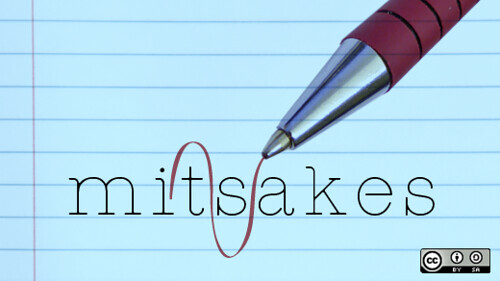
    The Art of Making Good Misstakes

    A researcher found that the teams who displayed the best teamwork were the ones making the most mistakes. What on earth was going on? Turns out that the key to learning from failure is creating a culture of psychological safety where people feel comfortable admitting mistakes, as well as having proper data and analysis to determine what works and what doesn’t. Individuals also need to keep an open mind about their own errors, seek feedback, and commit to improvement. Organizations and individuals that embrace failure as an opportunity to learn will be more adaptable and perform better in the long run.

    🎯 Take away: Mistakes, when approached with a positive mindset, can be valuable stepping stones on the path to success.


    The Science of Learning

    “The Science of Learning” from Deans for Impact is a compilation of evidence-based principles and strategies for effective learning benefits learners and educators. This is a useful summary of the existing research from cognitive science related to how people learn, connected to its practical implications for teaching and learning. This document is intended to a good resource anyone who is interested in our best scientific understanding of how learning takes place.

    🎯 Take away: Teaching for durable and flexible learning requires using evidence-based cognitive science strategies like spacing, interleaving, and prompted metacognition.


    ‘Rehumanize’ Your Workplace by Working out Loud

    I’ve long been a fan of John Stepper’s Working Out Loud mindset. This article from reworked explores the concept of “working out loud” as a means to rehumanize the workplace. It discusses how openly sharing one’s work progress and insights can foster collaboration, transparency, and a more connected work environment, ultimately benefiting both employees and organizations. The article provides practical insights into implementing this approach effectively.

    🎯 Take away: Building a more human-centered workplace involves encouraging open communication and collaboration, ultimately leading to increased productivity and a stronger sense of connection among team members.


    Are you looking to recharge eLearning at your organization? Neovation’s Learning Hub features FREE resources with topics like instructional design, custom content, learning analytics, AI and eLearning, and digital accessibility – visit and subscribe today!


    🧰 Tech Tools & Tips

    If tools are your jam, check out my new Work Smarter newsletter.

    Audo Studio | One Click Audio Cleaning

    Automatically removes background noise and enhances your speech.

    audo.ai

    Quizgecko | AI Question Generator

    Quizgecko is an AI question generator that allows you to generate a shareable quiz from text in seconds.

    quizgecko.com


    The best new app for newsletter reading.
    Check out Meco – the app that lets you read your newsletters without your jammed inbox harshing your vibe. Ditch the pain of old-school email and switch to Meco. Your newsletters will thank you! Try Meco today for free!


    🎧 Podcast

    This is the conversation that caught my ear this week. Check out previous episodes in the Friday Finds podcast playlist.

    How ChatGPT Can Supercharge Your L&D With Ross Stevenson

    ChatGPT is a game-changer for (L&D), turbo charging their efficiency. Ross Stevenson dishes the inside scoop.


    🧠 Got 60 seconds? Unlock your potential with this mindset hack!
    One quick mental break boosts your focus and crushes overwhelm so you can rock your goals. What could you achieve with a focused, productive brain? Find out – get the free 1-minute neuroscience-backed mindset trick and start succeeding now!


    🧳 Where’s Mike?

    • At home writing and drinking coffee ☕

    If you or your event needs a speaker or workshop that is highly interactive and super practical we should talk.


    sponsored

    Don’t Make a Podcast Just Because Students Love It

    Do your students seem to be more into podcasts one day and then YouTube videos the next? It can be a real challenge to keep them engaged and learning when their preferences keep shifting. But hey, we’ve got something that can help!

    Join us on Tuesday, October 31, at 11:00 AM EDT for a FREE webinar to help you stay on top of student trends, keep learners engaged (maybe not like TikTok, but close enough!), match course formats with your learning goals, and transform your teaching based on case studies and best practices from renowned educational institutions around the world.


    Like this post? Share it with someone you love. Don’t like it? Share it with someone you don’t!

    Friday Finds is an independent publication that I produce in my free time. You can support my work by sharing it with the world, booking an advertising spot, or by buying me a coffee.

  • Friday Finds — Writing for Learning, Transform Boring Answers, L&D Curation

    Friday Finds — Writing for Learning, Transform Boring Answers, L&D Curation

    sponsored by iSpring

    Sign up here to get Friday Finds in your inbox every Friday

    “Happiness consists more in small conveniences or pleasures that occur every day, than in great pieces of good fortune that happen but seldom to a man in the course of his life.”

    — Benjamin Franklin

    You may know that I’m big on the idea of curation. It’s a major part of what I do, and maybe why you’re reading this newsletter. On Wednesday, I’m doing a “Learn Something New” event with Shannon Tipton from Learning Rebels that is all about curation. If you’re interested or want to start your own curation practice, I’d be thrilled to have you join us.

    On another note, I’m San Antonio-bound for the CUNA Learning Live event next week. Any credit union readers planning to attend? Hit reply, I’d love to meet up in person.

    Thanks for reading!


    🎶 What I’m Listening To

    I’m trying out these Binaural Beats today, that according to Andrew Huberman , help you focus better. See what you think and let me know?


    👆 Last Week’s Most Clicked

    Never past your prime! 13 peaks we reach at 40 or later


    📰 News & Notes

    3-Steps To Transform BORING Answers Into Captivating Stories

    In this conversation with Chris Do, René Rodriguez shares a 3-step method for transforming ordinary answers into captivating stories. Drawing from accelerated learning techniques and neuroscience, he emphasizes the importance of setting a “baseline” for storytelling, structuring narratives using Aristotle’s rhetorical triangle of ethos, pathos, and logos, and employing a real-time feedback mechanism called “co-learning.” His approach also underscores the need for providing contextual “frames” to answers, as the brain naturally seeks past experiences to make sense of the present, thereby enhancing the effectiveness of communication and storytelling.

    🎯 Take away: Transform mundane answers into compelling narratives by using accelerated learning techniques, Aristotle’s rhetorical triangle, and real-time feedback, all while providing contextual frames that align with how the brain naturally processes information.


    5 Ways Curation Can Elevate Your L&D Results

    Content curation is an unsung hero for L&D. It challenges the limitations of traditional methods like e-learning and webinars by offering a more personalized, agile, and cost-effective approach. Content curation not only caters to individual learning needs but also adapts swiftly to industry changes, all while keeping learners engaged and fostering a culture of continuous improvement.

    🎯 Take away: Content curation offers advantages like agility, and engagement while being cost-effective and encouraging lifelong learning.


    Write and Organize for Deeper Learning

    The article recaps Patti Shank’s book that helps people write better lessons or guides. When you write to teach someone, it’s different than just writing a story or an email. Patti gives science-backed tips on how to make your writing easy to understand, remember, and use. These four strategies and 28 tactics are something that everyone can use to get better at explaining things.

    🎯 Take away: Patti Shank helps you write so people can easily learn and remember what you’re saying.


    Visit and subscribe to the Neovation Learning Hub to receive FREE resources that help you level up your eLearning! Topics include instructional design, custom content, learning analytics, AI and eLearning, and digital accessibility – start reading today!


    🧰 Tech Tools & Tips

    If tools are your jam, check out my new Work Smarter newsletter.

    guidde・Magically create video documentation with AI

    Guidde lets you capture instant step-by-step videos and documents for anyone to create.

    www.guidde.com

    NotionApps • Convert Notion databases into powerful apps

    Build client portals, membership portals, partner apps, field apps, internal tools, directories, student portals, or any custom apps. Choose what Notion data is shared with each user.

    www.notionapps.com


    The best new app for newsletter reading.
    Check out Meco – the app that lets you read your newsletters without your jammed inbox harshing your vibe. Ditch the pain of old school email and switch to Meco. Your newsletters will thank you! Try Meco today for free!


    🎧 Podcast

    This is the conversation that caught my ear this week. Check out previous episodes in the Friday Finds podcast playlist.

    Focusing On Behavior Change in Instructional Design with Julie Dirksen

    In this episode, Julie Dirksen explains how to apply a behavior change model to instructional design.

    GPT4 Gets Massive Upgrade… You’ll Never Use Google Again

    Marketing Against The Grain on Spotify. Dive into the breaking news behind OpenAI’s newest version of GPT-4.


    🧠 Got 60 seconds? Unlock your potential with this mindset hack!
    One quick mental break boosts your focus and crushes overwhelm so you can rock your goals. What could you achieve with a focused, productive brain? Find out – get the free 1-minute neuroscience-backed mindset trick and start succeeding now!


    🧳 Where’s Mike?

    If you or your event needs a speaker or workshop that is highly interactive and super practical we should talk.


    sponsored

    Not Only ChatGPT, Meet The New eLearning AI

    AI is revolutionizing course creation. What used to take days can now be accomplished in hours, thanks to AI. If you’re not using AI in your course development or want to explore more AI options for eLearning, don’t miss this webinar, “eLearning Made Easy With AI Technologies,” on Tuesday, October 24, at 11:00 AM EDT.

    Discover exactly how AI saves ID’s time and energy, AND meet a new AI assistant built right into an authoring tool. Register now and get actionable strategies to reshape your workflow with new technologies.


    Like this post? Share it with someone you love. Don’t like it? Share it with someone you don’t!

    Friday Finds is an independent publication that I produce in my free time. You can support my work by sharing it with the world, booking an advertising spot, or by buying me a coffee.

  • Want to Upgrade Your L&D Results? Speak to the Primal Brain

    Want to Upgrade Your L&D Results? Speak to the Primal Brain

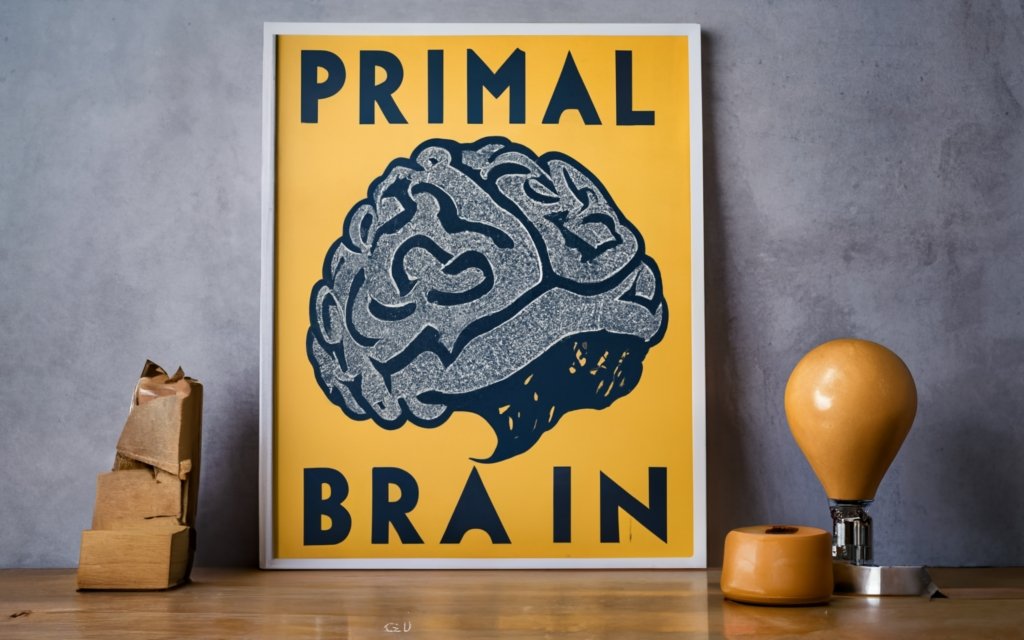
    For years, Bianca Baumann and I have been sharing a number of invaluable principles that Learning and Development (L&D) can “Steal From Marketing“. It dawned on me that I’ve never put pen to paper to share these transformative ideas, and that’s a disservice I intend to rectify today. These principles aren’t just theoretical musings; they are the foundation which much of my work is built upon. While there’s a treasure trove of marketing strategies that could enrich the L&D landscape, one stands out as the linchpin: speaking to the primal brain. (I know this isn’t technically a marketing concept but they’ve adopted it much faster and more widely than L&D). This concept is pivotal and informs and elevates so many more things from the way we write and communicate to our choices for multimedia and tapping into emotions.

    The Evolution of Learning: From Knowing to Doing

    Imagine a young child in a classroom, diligently memorizing multiplication tables. Fast forward to adulthood, and that same person is now in a corporate training room, learning about workplace ethics. The settings have changed, but the underlying principle remains the same: knowledge acquisition. Despite the wealth of information available, there’s a glaring disconnect between what we know and what we actually do.

    Why does this gap exist? The answer lies in the evolution of our educational journey. Early on, the focus is on foundational skills—learning the ABCs and 123s. As we mature, the emphasis subtly shifts from “knowing” to “doing,” especially in professional settings. Yet, traditional learning experiences are still rooted in the “knowing” paradigm, leaving a void when it comes to “doing.”

    The Missing Link: Speaking to the Primal Brain

    Enter the Dual Processing Theory, or as I prefer to call it, the art of “speaking to the primal brain.” This psychological framework, which won Daniel Kahneman a Nobel Prize, offers a lens through which we can explore two pivotal questions:

    1. How can we dissect and comprehend the underlying factors that influence whether a behavior occurs or not?
    2. How can we design learning experiences that not only impart knowledge but also lead to behavioral change?

    A Case Study: The Failure of System 2-Centric Training

    Consider a typical sexual harassment prevention training program. It’s often a one-size-fits-all approach, loaded with legal jargon and abstract concepts. The training focuses on what Kahneman calls System 2 thinking—logical reasoning and analytical skills. However, it fails to address the emotional and instinctual aspects that often drive inappropriate behavior in the first place. The result? Employees may understand the rules but may not internalize the reasons behind them, leading to a lack of behavioral change.

    The Solution: Engaging System 1 Thinking

    What if we redesigned this training to speak to System 1, the primal brain? Instead of a lecture filled with legal terms, imagine a scenario-based training that puts the participants in the shoes of both the harasser and the harassed. Use visceral storytelling and sensory details to evoke emotions, forcing the primal brain to confront the immediate consequences of inappropriate behavior. By engaging System 1, we can trigger an emotional response that not only educates but also motivates change.

    The New Paradigm: Understand and Act

    By “speaking to the primal brain,” we can create more effective, engaging, and transformative learning experiences. We move beyond the traditional “learn and remember” model and step into a new paradigm—one that acknowledges the primal forces driving our actions. Sometimes, the issue isn’t a lack of knowledge but rather other underlying factors that a traditional learning approach can’t address.

    Conclusion: A Groundbreaking Upgrade for Your L&D Toolkit

    In summary, the field of Learning and Development stands to gain immensely by incorporating insights from Dual Processing Theory. By going beyond the conventional wisdom of “learn and remember,” we venture into the realm of “understand and act.” Are you ready to harness the power of the primal brain in your learning design? 

    As Daniel Kahneman eloquently stated, “We’re blind to our blindness. We have very little idea of how little we know. We’re not designed to know how little we know.” This profound insight underscores the often invisible yet powerful role our subconscious, or primal brain, plays in shaping our behaviors. We may think we’re in control, making logical and reasoned decisions, but it’s often our System 1 thinking that’s pulling the strings behind the scenes.

    So, why is this revelation a game-changer for Learning and Development? Because it’s not enough to simply fill minds with knowledge; we must also ignite the emotional and instinctual engines that drive action. By “speaking to the primal brain,” we tap into the raw, unfiltered core of human behavior. We awaken the dormant forces that not only dictate how we act but also why we act the way we do.

    Imagine the transformative power of training programs that don’t just inform but also inspire. Picture a workforce that’s not just educated but also emotionally invested in applying what they’ve learned. That’s the untapped potential we unlock when we speak to the primal brain.

    Feel that spark of curiosity? That’s your primal brain nudging you towards a revelation. Dive into Daniel Kahneman’s “Thinking, Fast and Slow” and unlock the secrets of human behavior. Trust your instincts; this is a journey you won’t want to miss.

  • Friday Finds — Learning’s Secret Sauce, Personal AI, Teaching With AI

    Friday Finds — Learning’s Secret Sauce, Personal AI, Teaching With AI

    sponsored by iSpring

    Sign up here to get Friday Finds in your inbox every Friday

    Learning is like rowing upstream: not to advance is to drop back.

    Chinese proverb

    This past weekend our kids had their first marching band competition. Can we pause for a moment to appreciate what goes into getting nearly 200 teenagers to do anything – let alone performing music while marching in complex formations and perfectly in sync!?!!? I’m continually amazed by how these band directors are able to pull it off. If that’s not a masterclass in teaching, I don’t know what is!! They make it look easy and I know it isn’t – both for them and the kids. Oh, and get this—they cleaned up, winning in every category they could! How awesome is that?

    Thanks for reading!


    🎶 What I’m Listening To

    Another serendipitous music discover this week. Mills is a bit of a throwback of the best kind. Perfect vibe for work or just chilling.


    👆 Last Week’s Most Clicked

    The Science of Writing for Busy People


    📰 News & Notes

    The “secret sauce” behind the world’s most popular online course

    Barbara Oakley’s course, “Learning How to Learn” is the world’s most popular online course. Oakley and her team at Coursera share seven key ingredients for creating an engaging and effective online course. These ingredients range from the strategic use of visuals and multimedia to the importance of community engagement. Oakley emphasizes the blend of academia, Silicon Valley innovation, and a dash of Hollywood-style presentation as the formula for a successful online course.

    🎯 Take away: Creating a world-class online course is an art that blends academic rigor, technological innovation, and cinematic flair, all aimed at engaging a global community of learners.


    Google Bard is Getting Personal

    Google’s Bard AI chatbot has evolved beyond mere web searches, now diving into your Gmail, Docs, and Drive to fetch and summarize information. This new integration, dubbed “extensions,” allows Bard to sift through your emails or documents to pinpoint specific data, which can then be transformed into charts or bullet summaries. While privacy concerns loom, Google assures that this data won’t be used to train Bard’s public model. The chatbot is also expanding its reach to Maps, YouTube, and Google Flights, making it a more integrated part of the Google ecosystem.

    🎯 Take away: “It’s the first time a language model product is truly integrating with your personal data”.


    Teaching With AI

    OpenAI has unveiled a comprehensive guide tailored for educators aiming to integrate ChatGPT into their teaching methodologies. This guide encompasses a range of suggested prompts, a detailed overview of ChatGPT’s operational mechanics, its inherent limitations, the effectiveness of AI detectors, and the potential biases present. Educators from various backgrounds share their experiences, highlighting the versatility of ChatGPT in roles such as simulating challenging conversations, crafting curriculum-based quizzes and lesson plans, aiding non-English speakers, and fostering critical thinking in students.

    🎯 Take away: OpenAI’s guide offers a roadmap to harnessing ChatGPT’s potential, enhancing learning experiences and promoting critical thinking in AI-driven environments.


    Find free resources on the Neovation Learning Hub to help you expand your eLearning toolkit! Subscribe to the Neovation Learning Hub and receive our helpful, practical, and actionable resources directly to your inbox.


    🧰 Tech Tools & Tips

    If tools are your jam, check out my new Work Smarter newsletter.

    HeyGen – AI Video Generator

    HeyGen is an innovative video platform that harnesses the power of generative AI to streamline your video creation process. No camera? No crew? No problem!

    www.heygen.com

    Free Online Teleprompter

    Free online prompter. Paste your script and your text will start scrolling up the screen. Use the teleprompter while streaming on Zoom or to practice your speech.

    bigvu.tv/create/free-online-teleprompter


    Unlock the power of the brain with Offbeat’s “Designing Learning for the Brain” program!
    Educators and learning pros, gain insights into how the brain works, learn how to learn, and how to optimize learning and integrate science into your design.
    Subscribers enjoy a 5% discount using code OFFBEAT5.


    🎧 Podcast

    This is the conversation that caught my ear this week. Check out previous episodes in the Friday Finds podcast playlist.

    The role of Chat GPT in modern learning design with Megan Torrance

    On the Learning While Working Podcast Megan Torrance shares what she is learning about using Chat GPT.  We focus on using Chat GPT to enhance the learning experience itself, and just using AI to generate content. Get Megan’s one-page practitioner’s guide job aid too!  


    🧳 Where’s Mike?


    sponsored

    Are SMEs driving you crazy? Fix that with a personalized approach.

    Many SMEs are difficult to work with. Some of them don’t have enough time. Others might not be very interested in your project. Learn how to approach each of these and build a good relationship, so you can get what you need from them every time.

    Download this step-by-step guide based on the experience and knowledge of Tom McDowall, Senior Instructional Designer, who has successfully communicated with dozens of SMEs.


    Unlock the future of learning at Learnapalooza, (Online & Seattle), Oct 6th! Dive into sessions with Jimbo & Brandon Clark, explore AI, DEIB & more. Exclusive 30% discount for subscribers of this newsletter: Use code “L8MT”. Register now & connect early via our app! 👉 Learnapalooza8.com“


    If you or your event needs a speaker or workshop that is highly interactive and super practical we should talk.


    Like this post? Share it with someone you love. Don’t like it? Share it with someone you don’t!

    Friday Finds is an independent publication that I produce in my free time. You can support my work by sharing it with the world, booking an advertising spot, or by buying me a coffee.

  • Unpacking the Top 100 Tools for Learning 2023

    Unpacking the Top 100 Tools for Learning 2023

    Let’s dive deep into Jane Hart’s “Top 100 Tools for Learning 2023“, an annual treasure trove that curates the crème de la crème of learning tools. With 2,022 votes from around the world, this year’s list has seen an increase in votes from the education sector, which is a factor in reshaping the rankings in some interesting ways.

    You can see my personal Top 10 Learning Tools for 2023 here.

    Spotlight on the Newbies:

    • ChatGPT (Rank 4): This AI chatbot’s debut at such a high rank is a testament to AI’s burgeoning role in education. 2023 seems to be the year where AI isn’t just knocking on education’s door; it’s confidently stepping in.
    • Notion (Rank 63): A testament to the power of organized thought, Notion’s inclusion underscores the rising importance of structured information processing. For content creators, it’s rapidly becoming an indispensable ally.
    • ClassPoint (Rank 80): Making PowerPoint presentations interactive? ClassPoint’s entry may point to a demand for engaging and interactive content delivery in classrooms.

    Climbers and Tumblers:

    • Grammarly (Rank 24): Jumping a staggering 57 places, Grammarly’s climb underscores the emphasis on polished content. As I often say, writing is a superpower, and tools like Grammarly are the capes we don!
    • DeepL (Rank 26) & TikTok (Rank 27): With leaps of 38 and 39 places respectively, DeepL’s rise highlights the global nature of learning, while TikTok’s surge is a nod to the growing appeal of bite-sized, visual content.
    • Zoom (Rank 10), X (formerly Twitter) (Rank 22), & Slack (Rank 31): Their descents, while subtle, might be indicative of evolving preferences in virtual collaboration and communication. Or maybe it could be more like a natural market share drop with so many new competitors that have been created.

    Reading Between the Lines:

    • Diversification of Learning Platforms: The list paints a vivid picture of the convergence of traditional and unconventional learning tools. Who’d have thought TikTok, the realm of dance challenges, would emerge as a learning powerhouse?
    • AI’s Grand Entrance: ChatGPT’s high rank and the inclusion of Synthesia, an AI video platform, are clear indicators. AI is not just knocking; it’s reshaping the learning landscape. I’d be there will be a lot more AI tools on next year’s list.
    • The Rise of the Autonomous Learner: Tools like Notion and Grammarly are not just tools; they’re enablers, empowering learners to steer their own learning journey.
    • Collaboration is Key: The modern learner isn’t just a sponge soaking up knowledge but an active participant in a vibrant learning community. Platforms like Microsoft Teams and WhatsApp are testament to this collaborative spirit.
    • Flexibility Over Rigidity: The subtle decline of specialized tools like Zoom in favor of multifaceted platforms like Microsoft Teams speaks volumes. The modern educator and learner seek tools that wear many hats seamlessly.
    • Social Media’s Classroom Evolution: TikTok’s rise offers a glimpse into the evolving role of social media in education. It seems bite-sized, visual content is gaining popularity.

    The Missing Pieces:

    While the list is a comprehensive snapshot of the current favorites, it’s equally crucial to spotlight the absentees:

    • AR and VR Tools: Their potential for immersive learning is undeniable, yet they’re conspicuously missing.
    • Gamified Learning Platforms: Beyond Kahoot, where are the platforms turning learning into an engaging game?
    • Adaptive Learning Platforms: Tailored, real-time learning seems to be underrepresented.
    • LMS/LXPs: Their absence is intriguing. Are we witnessing a shift towards more informal, self-directed learning? Or is it the rise of #NoCode tools, empowering anyone to craft their personalized learning ecosystems, reducing the need for traditional LMS platforms?

    The “Top 100 Tools for Learning 2023” is more than a list; it’s a reflection of the evolving learning tech landscape of the global learning community. As educators and L&D pros, it’s a valuable guide to help navigate the ever changing future of learning, one tool at a time!

    What did I miss or mess up? I’m curious to hear your thoughts and insights as well.

  • Friday Finds — Writing for Busy People, Typography & Facilitation Tips

    Friday Finds — Writing for Busy People, Typography & Facilitation Tips

    sponsored by iSpring

    Sign up here to get Friday Finds in your inbox every Friday

    People don’t teach because they’re experts. They’re seen as experts because they teach.

    I had a fantastic time at Central Ohio ATD’s annual gathering this week. Plus, I got to hangout virtually with Shannon Tipton! Isn’t it awesome to spend time with your fellow learning peeps? Good news for those reading this newsletter – I’ve got some cool discounts available for mingling with other L&D enthusiasts. Shannon has provided a special offer for the upcoming workshop next month, where we’ll explore my new C.U.R.A.T.E.D. learning model and delve into curation for L&D. If you’re keen, use the promo code “Find15” to get 15% off until 9/29. …and keep reading to find more discount deals for Offbeat programs and the Learnapolooza event in Seattle and online next month.

    Thanks for reading!


    🎶 What I’m Listening To
    This week I discovered the sounds of Rook Monroe who is “crafting modern, genre-bending pop music” – and it’s pretty darn good!

    👆 Last Week’s Most Clicked

    The C.U.R.A.T.E.D. Model for Learning


    📰 News & Notes

    The Science of Writing for Busy People

    Todd Rogers, a behavioral scientist and Harvard PhD holder, delves into the art of effective communication in his talk, emphasizing the power of brevity and strategic formatting. Through various studies and real-world applications, Rogers underscores the importance of concise messaging, especially in today’s information-saturated world. He showcases how simplifying communication, from emails to public health announcements, can drastically improve engagement and comprehension. Key takeaways include the revelation that shorter promotional emails yield higher response rates, and the strategic use of formatting can guide reader attention, enhancing the overall impact of a message.

    🎯 Take away: Effective communication is not about the volume of words but the clarity and conciseness of the message.


    8 Micro Tips for Remarkably Better Typography

    The article by Matej Latin of uxdesign.cc provides 8 quick tips to improve your typography and make your designs look more polished. It suggests choosing font pairings carefully, using proper apostrophes and quotation marks, adjusting letter spacing for better readability, being consistent with your formatting, using special characters wisely, considering line height, experimenting with drop caps, and learning to kern (adjust space between letters). With just a little extra attention to these typographic details, you can make your text look clean, professional and visually appealing.

    🎯 Take away: By focusing on small typographic details like thoughtful font pairings, line height, and kerning, you can elevate your designs from good to great.


    10 Simple Strategies for Facilitating Breakthroughs in Your Live Sessions

    In her latest newsletter, Gwyn Wansbrough shares insights on facilitating breakthroughs during live sessions. Drawing from personal experiences and referencing the book “Anatomy of a Breakthrough” by Adam Alter, she emphasizes the importance of creating the right conditions for breakthroughs to occur. Gwyn discusses the challenges of being stuck in various aspects of life and offers strategies to overcome them. Her own breakthrough came from a shift in perspective and environment in a math class, demonstrating the power of reframing problems and changing environments.

    🎯 Take away: Creating the right conditions can facilitate breakthroughs, transforming challenges into opportunities for growth and learning.


    Visit and subscribe to the Neovation Learning Hub for free eLearning resources – L&D superpowers that you can use to improve your eLearning initiatives and help you be more creative, productive, and valuable to your L&D team!


    🧰 Tech Tools & Tips

    If tools are your jam, check out my new Work Smarter newsletter.

    NOLEJ

    NOLEJ is a platform powered by an AI engine, that empowers instructional designers and teachers to rapidly generate interactive eLearning materials!

    http://nolej.io

    Quillionz

    Explore the world’s first AI-powered platform for creating questions, quizzes, and notes. Experience the power of AI. Get Started for free.

    www.quillionz.com


    Boost your L&D skills with Offbeat Programs!
    Crafted by industry leaders, enjoy live sessions, hands-on tasks, reflection spaces, and social learning. Plus, get a yearly membership for continuous learning. (you know how important that is). Exclusive 5% discount for subscribers of this newsletter with code “OFFBEAT5”.
    Elevate your learning journey now!


    🎧 Podcast

    This is the conversation that caught my ear this week. Check out previous episodes in the Friday Finds podcast playlist.

    Meeting at the Intersection of Research and Education

    A conversation with Sarah Oberle about the intersection between research and education.


    🧳 Where’s Mike?


    sponsored

    You’re familiar with PPT presentations. But what about PPT courses?

    If you’re starting out in eLearning and can’t afford an authoring tool quite yet, use PowerPoint. This tool goes way beyond presentations, empowering you to create full-fledged courses, assessments, animations, and more.

    Download the guide “How to Create a Training Course in PowerPoint” to learn how to use PPT in eLearning step by step.


    Unlock the future of learning at Learnapalooza, (Online & Seattle), Oct 6th! Dive into sessions with Jimbo & Brandon Clark, explore AI, DEIB & more. Exclusive 30% discount for subscribers of this newsletter: Use code “L8MT”. Register now & connect early via our app! 👉 Learnapalooza8.com“


    If you or your event needs a speaker or workshop that is highly interactive and super practical we should talk.


    Like this post? Share it with someone you love. Don’t like it? Share it with someone you don’t!

    Friday Finds is an independent publication that I produce in my free time. You can support my work by sharing it with the world, booking an advertising spot, or by buying me a coffee. N