
AI has become the loudest voice in every room right now. Especially in learning and development. The headlines promise revolution. The vendors promise automation. And many of us quietly wonder what happens to our own value when machines can generate courses, videos, and entire learning modules faster than we can write a learning objective.
But here’s what most people miss: AI can actually help us be more human. Not through optimism. Through clarity. Through direction. If we’re willing to step into the role that matters most.
When Speed Becomes the Problem
We’ve all seen what happens when AI runs the show without guidance
.A module that technically checks every compliance box: covers the content, includes a quiz, and delivers on time. And nobody remembers it. A video that’s technically correct but leaves no one changed. A script that sounds like it was written by a robot (because it was).
This isn’t because AI is bad at speed. It’s the opposite. AI is fast. But fast doesn’t mean purposeful. Without someone steering the story—someone who understands what the learner actually needs to feel or do differently—you’re just automating the wrong things faster.
We’ve lived through this cycle before. Every new technology promises transformation. Television. Online learning. Mobile. But transformation doesn’t happen because the tool is faster. It happens because someone’s directing it.
The Real Job: Director, Not Technician
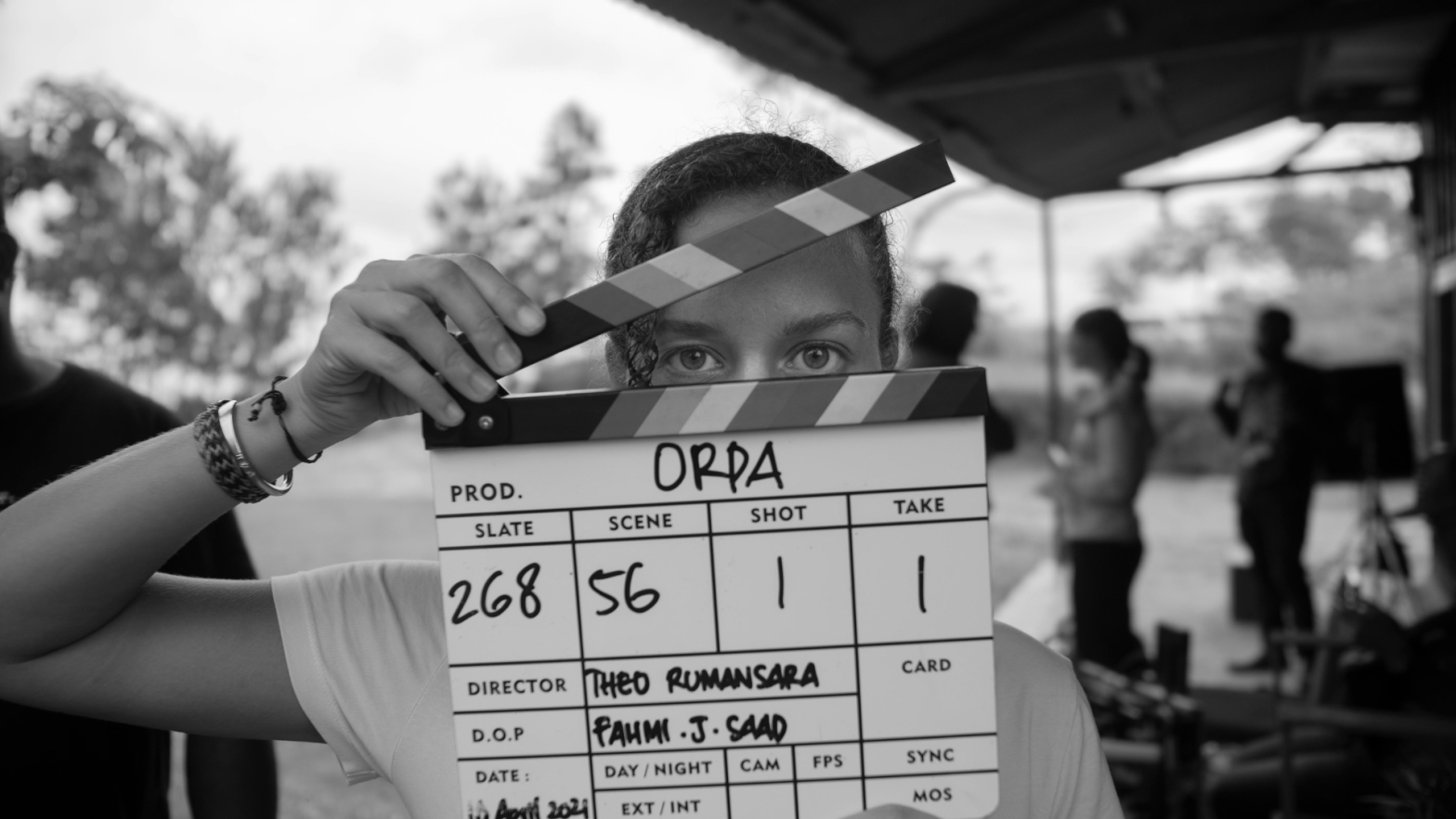
Think of your work this way: You’ve got all the tools. The camera. The lighting. An entire crew of AI capabilities at your fingertips.
They’re fast. Capable. Tireless.
But without a director—without someone making decisions about what matters, what gets cut, what gets emphasized—nothing meaningful happens.
That’s your role now. Not to do everything yourself. But to direct the process. To bring intent and perspective to the tools.
I realized this while leading a session at TechSmith’s Training Magazine event. I watched L&D professionals agree as I talked about this—not because the idea was new, but because they already knew they were directors. They just hadn’t named it yet. Every day, they cast the right tools, make judgment calls AI can’t make, and shape the emotional arc of learning. The difference is now they’re doing it consciously. With AI as the crew instead of the other way around.
How Directors Actually Work
In film, there’s a proven rhythm: pre-production, production, post-production.
Pre-Production: Get clarity first.
What’s the real story you’re trying to tell? Who’s in the room, and what should they understand differently when they leave? What should they feel? Not all learning needs the same tone. A module about safety protocols needs urgency and respect. A module about new software needs confidence and permission to mess up. The director knows this distinction before the camera rolls.
Production: This is where AI does its best work.
You write prompts. AI generates drafts. You read them and think: That’s too formal. Give me something more conversational. Or: I need three versions of this opening—make me laugh, make me scared, make me curious. Then I’ll pick. You’re directing the scene. Not just letting the camera roll and hoping something good happens.
Post-Production: Refine. Edit. Add what only you can add.
AI generates a script. You read it and hear where it needs your voice. Where it needs humor someone actually wrote. Where it needs a story that resonates because you lived it or witnessed it. You’re not rewriting everything. You’re adding the human judgment that turns “technically correct” into “actually moving.”
When you follow that rhythm, you stop treating AI like a vending machine. You start treating it like what it actually is: a talented, tireless crew waiting for direction.
What Only You Can Do
There’s a line I think about often, from Philippa Hardman: “AI doesn’t replace us. It replaces the parts of us that weren’t very human to begin with.”
That’s the opportunity.
Let AI handle the mechanical work. The formatting. The versioning. The 47 variations of the same slide so you can pick the best one. You keep what makes learning actually work: the judgment call about what matters, the empathy that makes a difficult topic feel approachable, the curiosity that asks why before it builds the solution.
That’s how AI helps us be more human.
Here’s what this looks like in practice:
- AI drafts your script. You rewrite it so it sounds like someone who actually understands the problem—because you do.
- AI generates design options. You choose the one that matches the tone of what you’re teaching.
- AI creates variations. You pick the version that will actually land with your specific audience.
You’re not doing more work. You’re spending your time on decisions that matter. The parts that only a human director can make.
What Learners Actually Need
Here’s the thing: Your organization doesn’t need more content. It never did.
It needs better direction. Better judgment about what’s worth their time. Better stories. Better clarity about why this matters.
AI won’t close the gap between learning and performance. People will. But only if you direct it with clarity, intention, and something close to heart—the thing that says “I made this for you because I understand what you’re up against.”
That’s what today’s learners notice. Not more videos. They notice when something was made with them in mind. When the example isn’t generic. When the tone matches how they actually talk. When someone thought through not just what to teach but how to teach it so it sticks.
And that’s not something a machine can do alone.
Your Next Move
If you’re reading this, you’re already thinking like a director. You’re seeing AI as a crew, not a threat. You’re asking the right questions:
What’s the story? Who needs to hear it? What’s the point?
So here’s what I’d suggest for this week: Take one piece of learning you’re working on. One module. One email. One video script. And ask yourself: Where am I letting speed win? Where am I not directing? Find one moment where you can slow down, make a choice, and add something that only you can add.
Because when you do, something shifts. The technology doesn’t just make your work faster. It makes it matter more.
Lately I’ve been diving deeper into this topic — including a recent Training Industry webinar: “Avoiding the “Bad Training, Faster” Trap in the Age of AI“
 Mike Taylor
Powerfully empowering Article. Thank you Mike!
LikeLike