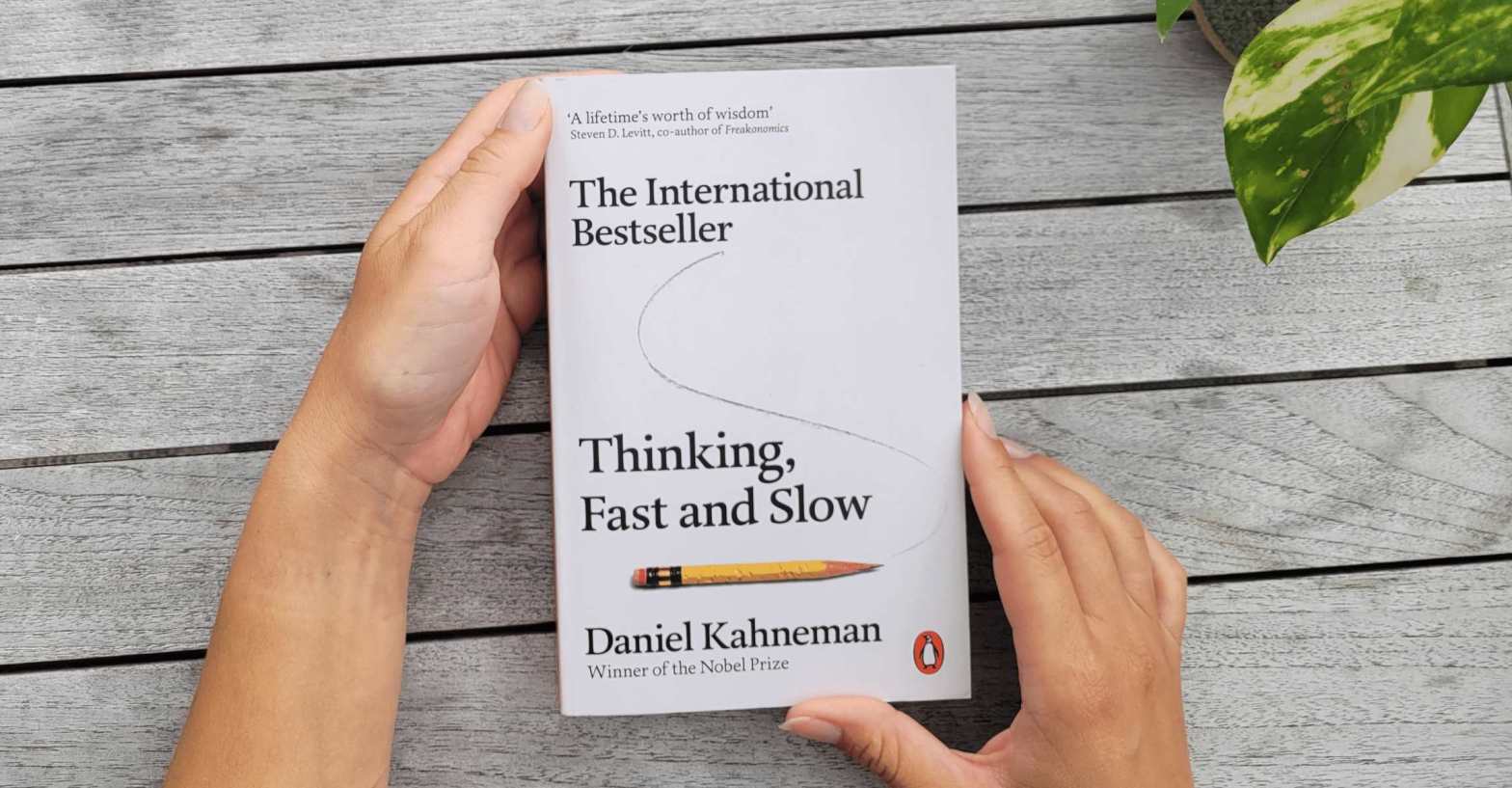
If you’re in Learning & Development, you’re no stranger to the complexities of human behavior. Understanding how people learn and make decisions is at the core of your work. Enter Daniel Kahneman’s Thinking, Fast and Slow, a book packed with insights that can seriously level up how you design learning experiences. Kahneman breaks down how our brains process information in two ways—fast, intuitive thinking (System 1) and slow, deliberate thinking (System 2).
Here are 10 must-know lessons from Thinking, Fast and Slow that can transform your approach to L&D:
1. Tap into the Power of System 1 (Fast Thinking)
We rely on System 1 for quick, intuitive decisions. This is where emotion and gut feeling live—perfect for grabbing attention in learning. To engage learners’ fast-thinking brains, create content that’s visually appealing, simple, and story-driven.
Actionable Tip: Incorporate storytelling, visuals, and real-life examples that instantly resonate with your audience. Think fast, grab attention, and let them feel the content before they start to think deeply about it.
2. Trigger System 2 (Slow Thinking) for Deeper Engagement
System 2 is slower and more analytical—it’s where complex, thoughtful learning happens. While System 1 draws learners in, System 2 helps them process information at a deeper level. This is critical for problem-solving and critical thinking.
Actionable Tip: Incorporate case studies, problem-based learning, and reflective exercises. Give learners time and space to work through tough questions that force them to engage System 2.
3. Lighten the Cognitive Load
Ever felt overwhelmed with too much information at once? That’s cognitive overload, and it’s the enemy of good learning design. Kahneman shows us just how limited our cognitive resources are. Less really is more.
Actionable Tip: Use microlearning! Break down complex topics into bite-sized modules. Keep it simple and clear, avoiding unnecessary clutter.
4. Set the Stage with Anchoring
Anchoring is the tendency to rely heavily on the first piece of information encountered. As an L&D pro, you can use this to your advantage by kicking off your content with a strong, memorable idea that anchors the rest of the learning.
Actionable Tip: Start with attention-grabbing facts or bold statements to shape how learners interpret the rest of the content. First impressions matter!
5. Challenge the Availability Heuristic
Learners often overestimate the importance of information that’s readily available to them. This can lead to misconceptions or biases. In your training, make sure you challenge these assumptions.
Actionable Tip: Provide diverse examples and case studies to broaden learners’ understanding. Encourage them to think beyond their initial gut reactions and question what’s easily “available” in their minds.
6. Use the Halo Effect to Your Advantage
The halo effect means that if learners have a positive impression of one part of your course, it will color their perception of the rest. If your content looks polished and professional, learners are more likely to trust the material.
Actionable Tip: Invest in good design! First impressions last, so make sure your training materials are well-designed and look sharp. It’ll set the tone for how the rest of your content is perceived.
7. Overcome Loss Aversion in Change Management
People are wired to fear losses more than they value gains, which is why resistance to change is so common in the workplace. L&D professionals need to frame new learning initiatives in terms of what learners stand to gain, rather than focusing on what they might lose.
Actionable Tip: Emphasize how new skills or knowledge will benefit learners—whether it’s improving their career or making their jobs easier. Focus on the gains, not the pain.
8. Beware of Overconfidence Bias
People tend to overestimate their abilities, which can lead to poor decisions. In L&D, this means learners might think they’ve mastered a concept when they haven’t.
Actionable Tip: Incorporate regular assessments and opportunities for reflection. Help learners test their understanding and realize where they might need more work.
9. Prime Learners for Success
Priming is when exposure to one thing influences a response to something else. Want learners to come to your training with the right mindset? Prime them with the right content beforehand.
Actionable Tip: Use pre-course materials, motivational messages, or positive imagery to set the tone. This can help prepare learners mentally before they dive into more complex topics.
10. Feedback Loops: Your Secret Weapon
Kahneman stresses that feedback is crucial for good decision-making. Learners need real-time feedback to know if they’re on the right track—and it helps them adjust and improve.
Actionable Tip: Build in feedback loops throughout your training. Give learners opportunities to test their knowledge and receive constructive feedback regularly, not just at the end.
Wrapping Up
Thinking, Fast and Slow gives us a deep look into how people process information and make decisions. As L&D professionals, understanding these psychological principles helps us create learning experiences that are not only engaging but also effective. By tapping into both fast and slow thinking, reducing cognitive overload, and using strategies like anchoring and feedback loops, you can transform your training programs into something that truly sticks with learners.
So, how will you use these insights to design your next training experience?
 Mike Taylor
3 thoughts on “Thinking Fast, Learning Faster: 10 L&D Insights From Daniel Kahneman”