
Evidence-Based L&D Series: Article 3 of 8 Picture Maria, three weeks into her new role as a financial advisor. Her manager has just assigned her first real client—a 52-year-old teacher who needs retirement planning. Maria opens the spreadsheet. Stares at it. Closes it. Opens the training manual. Scans for the formula. Tries a calculation. GetsContinueContinue reading “The Right Kind of Difficulty: Why Worked Examples Beat Practice for Novices”
Tag Archives: teaching
Stop Overloading Your Learners’ Brains: A Practical Guide to Minimizing Extraneous Cognitive Load

Marcus spent six weeks building the perfect compliance training for his company’s 2,000 employees. Interactive scenarios. Animated compliance mascot. Video testimonials from leadership. Gamified quizzes with leaderboards and achievement badges. Custom dashboard with real-time progress tracking. Background music to “enhance focus.” (spoiler: that usually backfires unless it serves a clear instructional or motivational goal). CompletionContinueContinue reading “Stop Overloading Your Learners’ Brains: A Practical Guide to Minimizing Extraneous Cognitive Load”
Friday Finds — Engaging Learners, AI’s Impact on Training, & Reclaiming Your Feed

🧠 Just released: This week’s Friday Finds explores the fascinating intersection of cognitive science, AI, and digital wellbeing in learning.
3 key insights from this edition:
Your brain makes judgments in just 50ms – and 94% of these are based on design. Great training design isn’t just about aesthetics – it’s about working with our cognitive architecture.
Ben Betts highlights how ChatGPT’s Operator can now complete e-learning modules autonomously. Is this the end of “click-next” corporate training? Time to rethink how we measure real learning.
Considering a digital diet? Scott H Young shares how RSS readers might be your answer to algorithm fatigue. Sometimes older tech offers better solutions.
🎯 Plus: Helpful tools for creators – check out Cursorful for enhanced screen recordings and ImageKit for secure media hosting.
Friday Finds — Emotions & Learning, Communities of Practice, Scaling ID using AI

This week’s newsletter has the impact of emotions on adult learning, emphasizing their role in enhancing engagement and memory retention. It highlights strategies for educators to incorporate positive emotions in teaching. Additionally, it addresses the importance of storytelling and leadership in Communities of Practice and explores the use of AI in scaling instructional design.
Friday Finds — 12 Prompts of Xmas, AI-Enhanced Learning, Automation Made Simple

The newsletter invites readers to subscribe for weekly updates and reflects on the past year while wishing them a smooth 2025. Featured are insights on AI integration into instructional design, improvements in learning with ChatGPT, and a tutorial on Zapier for workflow automation. There’s also mention of upcoming events and resources.
Friday Finds — Behavioral Science Books, Improving Readability, ChatGPT’s Canvas
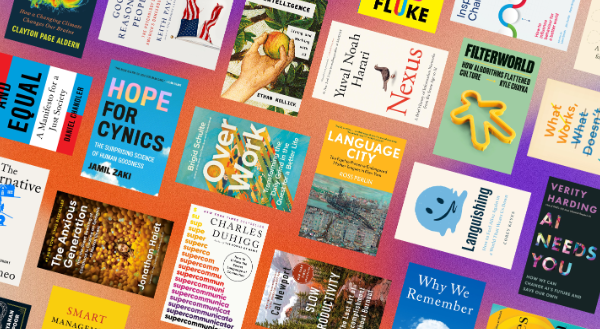
This week we’ve got a holiday music playlist by Questlove, notable behavioral science books for 2024, and the importance of readability in workplace training. We also introduce OpenAI’s Canvas for improved collaboration using AI,and tech tools for training and onboarding.
Friday Finds — When to Use AI, AI Use Cases & Screens vs Paper Reading

This week’s Friday Finds digs into the complexities of human-AI interaction, the benefits of analog reading, and the potential of AI in instructional design.
We’ve also got fresh new tools and resources to share.
Let me know your thoughts on the format!
#FridayFinds
Thinking Fast, Learning Faster: 10 L&D Insights From Daniel Kahneman
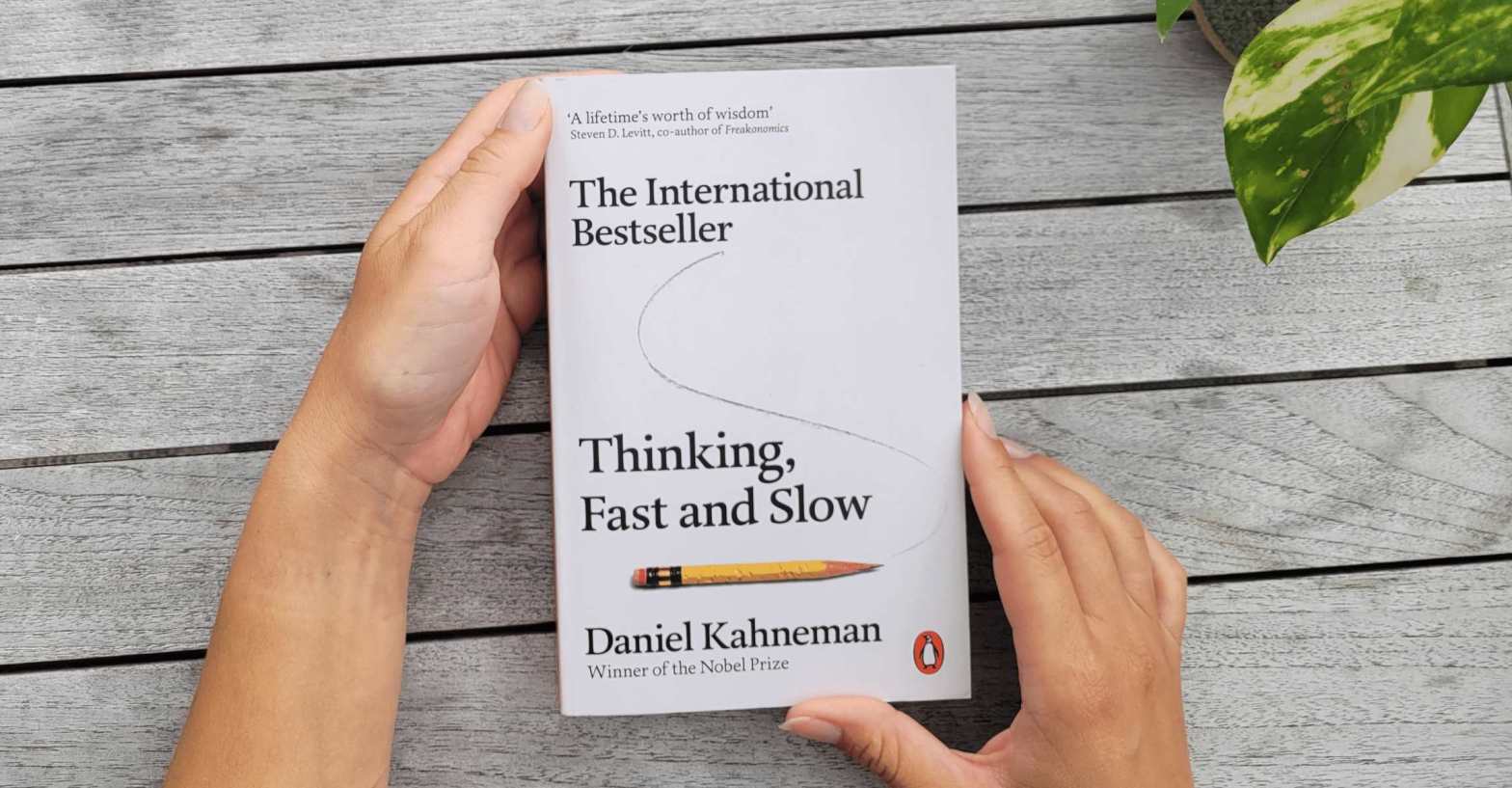
Daniel Kahneman’s Thinking, Fast and Slow offers critical insights for Learning & Development professionals. The book distinguishes between fast, intuitive thinking (System 1) and slow, analytical thinking (System 2). To enhance learning, L&D can use storytelling, reduce cognitive overload, and implement diverse examples and feedback loops, improving overall engagement and retention.
 Mike Taylor