It’s ‘Tool Time’ again! This month, I want to share some new AI slide tools. And if you haven’t been following, some of these are getting pretty good. I’m not ready to break up with PowerPoint yet. But the blank-page problem? That time before anything exists? Some of these new tools have helped that becomeContinueContinue reading “Friday Finds — Tools Edition: AI slide tools are finally getting good”
Author Archives: Mike Taylor
The Best Free Illustration Libraries for Designers (2026 Edition)

If your eLearning slides feel slightly off — and you can’t quite put your finger on why — visuals are often the culprit. A stock photo on slide three. A cartoon character on slide seven. A flat icon set that clashes with both. You built the course in pieces, and it looks like it. TheContinueContinue reading “The Best Free Illustration Libraries for Designers (2026 Edition)”
Getting it wrong is the whole point
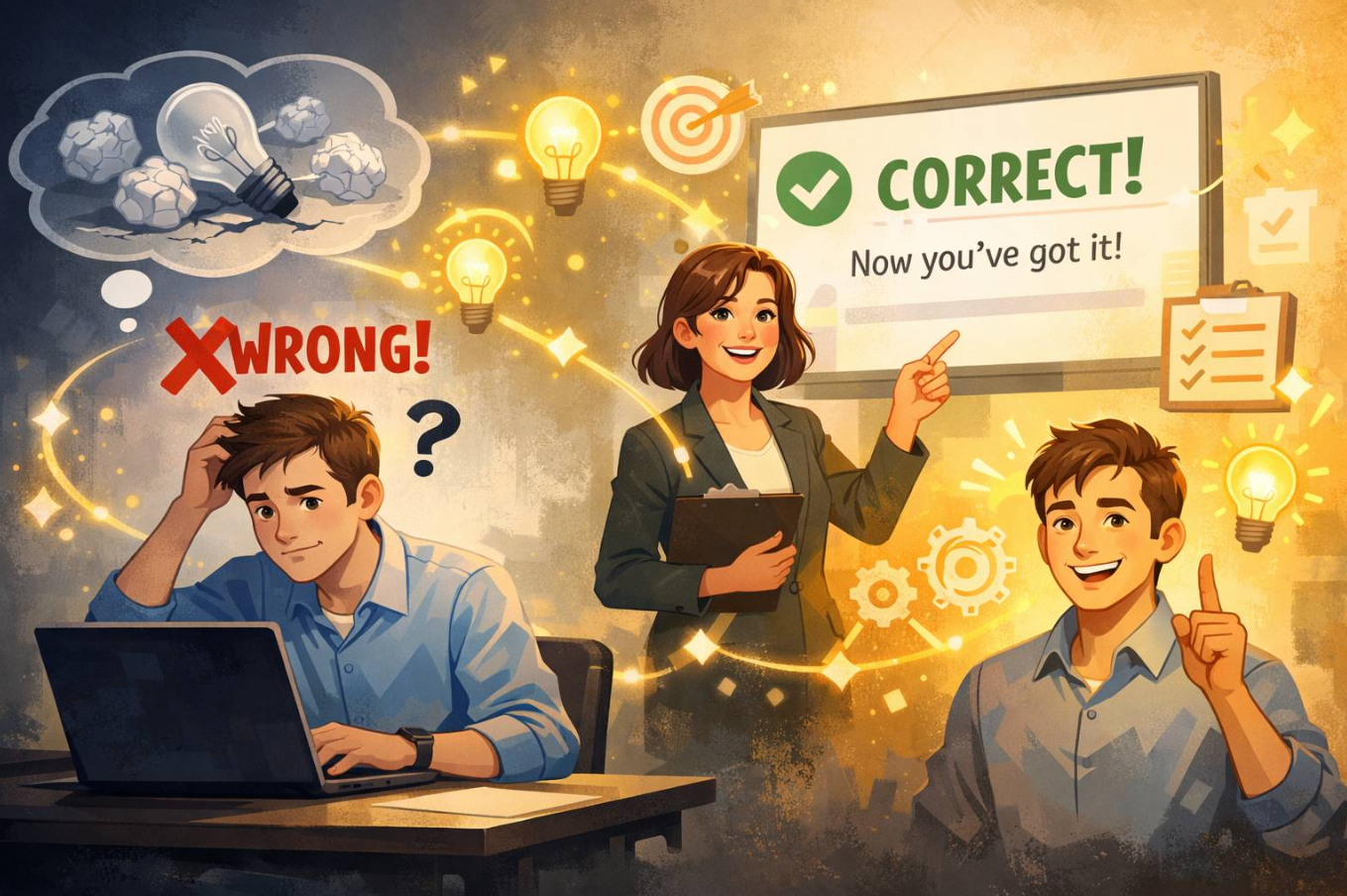
Before you read another word: During a typical 20-minute video lecture, what percentage of learners are actively mind-wandering at any given moment? Take a guess. Research consistently finds that a third to more than half of learners are mind-wandering during a video lecture — and the rate climbs as the session goes on. You’ll rememberContinueContinue reading “Getting it wrong is the whole point”

The 3-Question Test Every L&D Pro Should Use Why Most Resource Libraries Fail — and What Real Curation Looks Like Instead There’s a folder. You know the one. It lives in your bookmarks, a shared drive, or a Teams channel someone created with good intentions in 2021. It’s called something like “Learning Resources” or “GoodContinueContinue reading
The Dual Coding Problem: Why Your Learners Keep Tuning You Out

How Dual Coding Theory Explains (and Fixes) Your Biggest Learning Design Problem Your learners look glazed over. They’re reading ahead while you talk. Or they’ve checked out entirely. You know what they’re doing? Choosing. Read the slide or listen to you. Not both. They can’t. And it’s not their fault—it’s your design. Your Brain ProcessesContinueContinue reading “The Dual Coding Problem: Why Your Learners Keep Tuning You Out”
Less Noise, More Signal: My Most Popular Posts of the 2025
They all argue for doing less I took a quick peek at the past year of activity here—not to overanalyze it, just to see what people actually spent time with. What shook out was a short list of posts that consistently rose to the top. I thought I’d share those most-viewed pieces, along with aContinueContinue reading “Less Noise, More Signal: My Most Popular Posts of the 2025”
The Best L&D Books Are Not L&D Books
(A reading list that makes you useful, fast) When someone new to learning design asks a reasonable question: “What L&D books should I read?” They usually get a long list of L&D books.Models. Methods. Frameworks. More models. Helpful… up to a point. Because the real job of learning design isn’t “build a course.” It’s helpContinueContinue reading “The Best L&D Books Are Not L&D Books”
The Signaling Principle
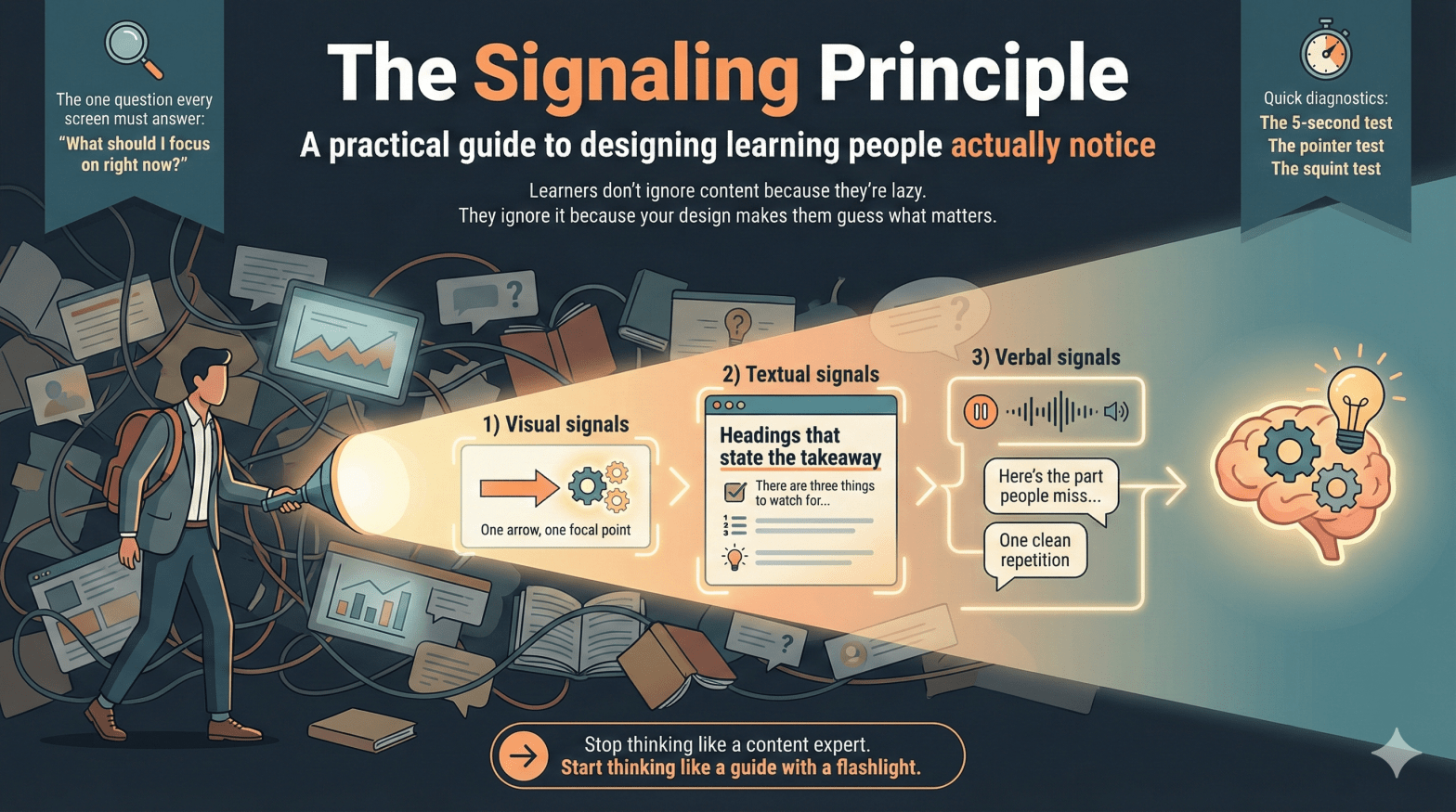
A practical guide to designing learning people actually notice Learners don’t ignore content because they’re lazy.They ignore it because your design makes them guess what matters. That’s the signaling principle (cueing). Signaling means you guide attention—on purpose.You make the important parts easy to spot and the unimportant parts easy to ignore. Why it works isContinueContinue reading “The Signaling Principle”
Most Instructional Designers Put This at the Start. Here’s Why YOU Shouldn’t!
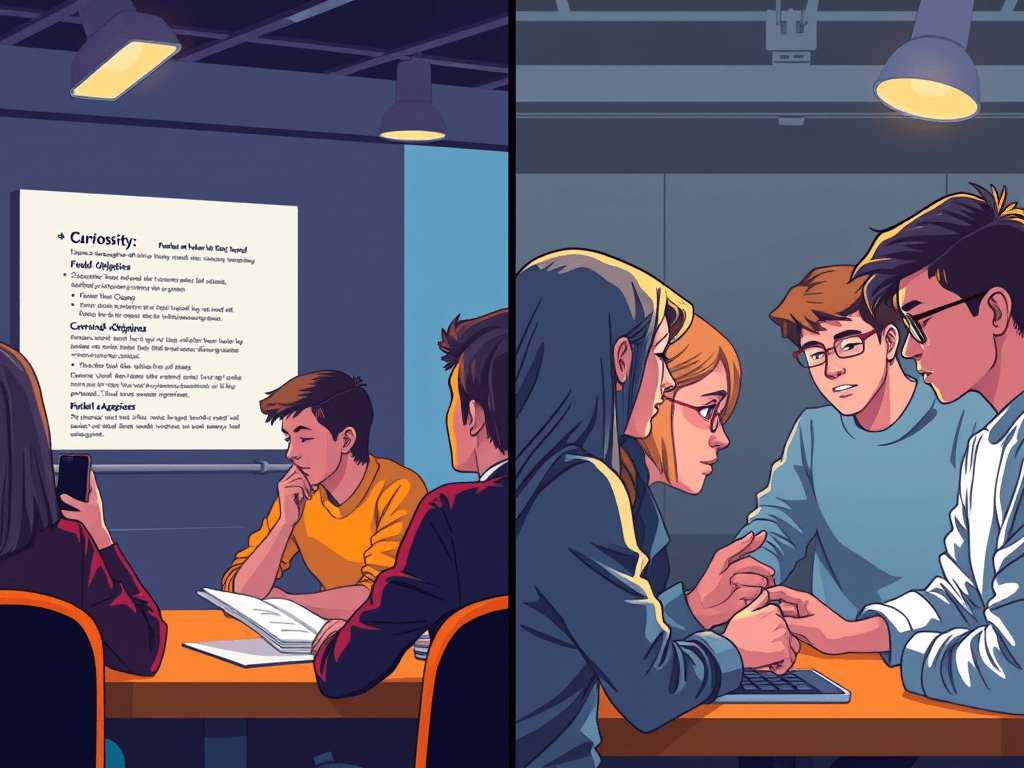
You spent three weeks on that compliance module. Got the objectives perfectly clear. Slide two, exactly where Gagne said they should be. Your instructional design was textbook. Then you watched what happened: Learners skimmed the objectives and jumped ahead. Exit interviews revealed the pattern: “I knew what I was supposed to learn, so I didn’tContinueContinue reading “Most Instructional Designers Put This at the Start. Here’s Why YOU Shouldn’t!”
Stop Building Courses. Start Fixing Problems.
A practical crash course in performance-first thinking It’s Tuesday at 2:47 PM when the Slack message arrives. “We need a two-hour eLearning course on communication skills. By Friday.” If you’re in L&D or instructional design, you probably fire back: What content should it include? Video or scenarios? Self-paced or instructor-led? Here’s the uncomfortable truth: thoseContinueContinue reading “Stop Building Courses. Start Fixing Problems.”
 Mike Taylor